OOO Press:
A System of Iteration
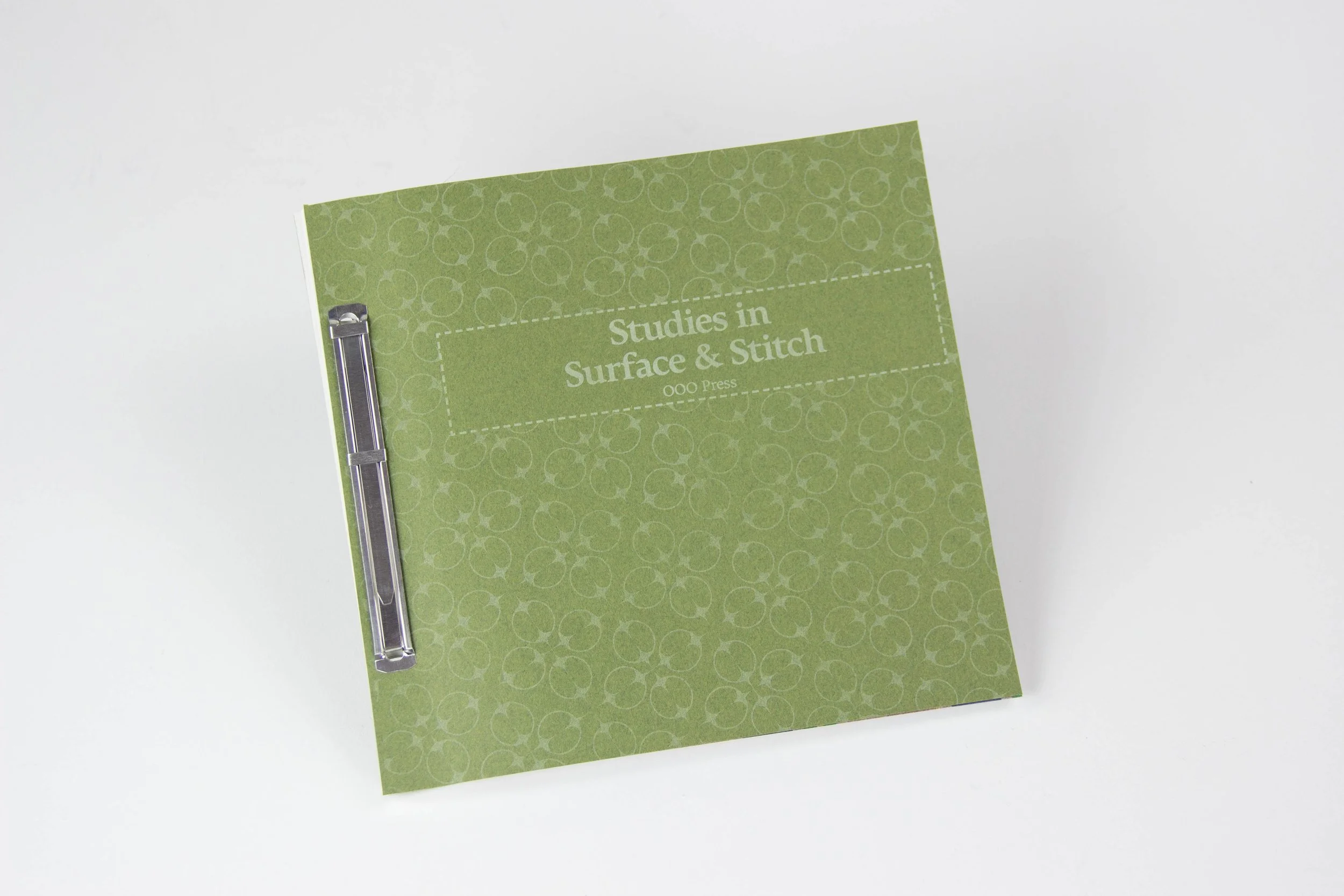
OOO (oooh) Press is an independent publishing structure that uses print to examine authorship, labor, variation, and production systems. Rooted in embodied production, the press focuses on how the body, tools, and materials interact to generate form and meaning over time. Rather than treating publishing as a neutral container for content, OOO Press positions it as a site of inquiry by using print to document process, foreground material variation, and expose the systems that shape how work is produced and circulated.
Junior Pacheco
The work is structured through rules, constraints, and repetition. In much contemporary design, efficiency, polish, and seamless production are prioritized, often obscuring the conditions under which work is made. OOO Press moves against this tendency by emphasizing friction and visible labor. It values imperfect prints, repeated gestures, and the accumulation of variation that emerges through sustained engagement with a process. Each project begins with a set of predetermined conditions that organize format, composition, sequencing, and reproduction. These conditions operate as a framework rather than a limitation, allowing unexpected outcomes to emerge through material interaction, repetition, and technical constraint.
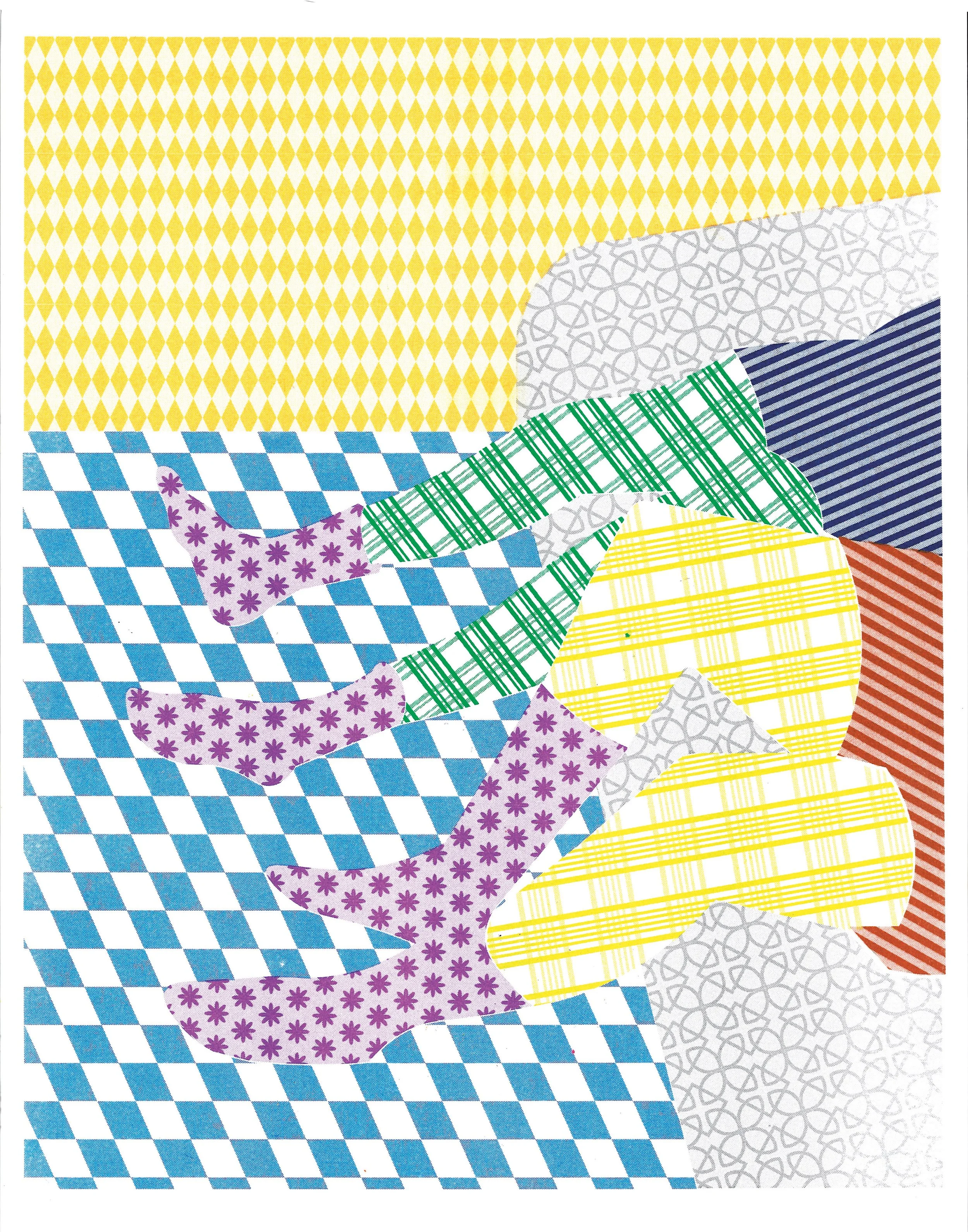
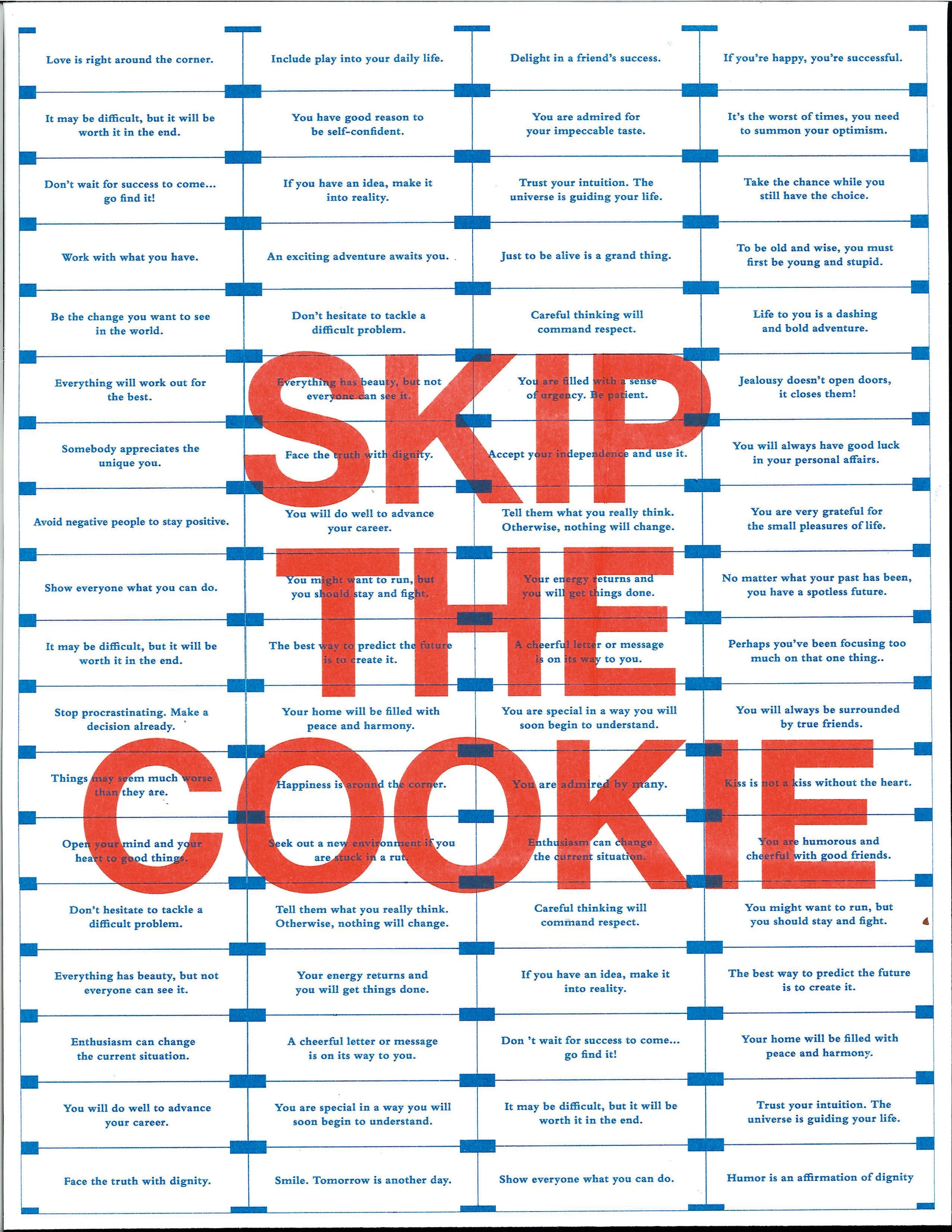
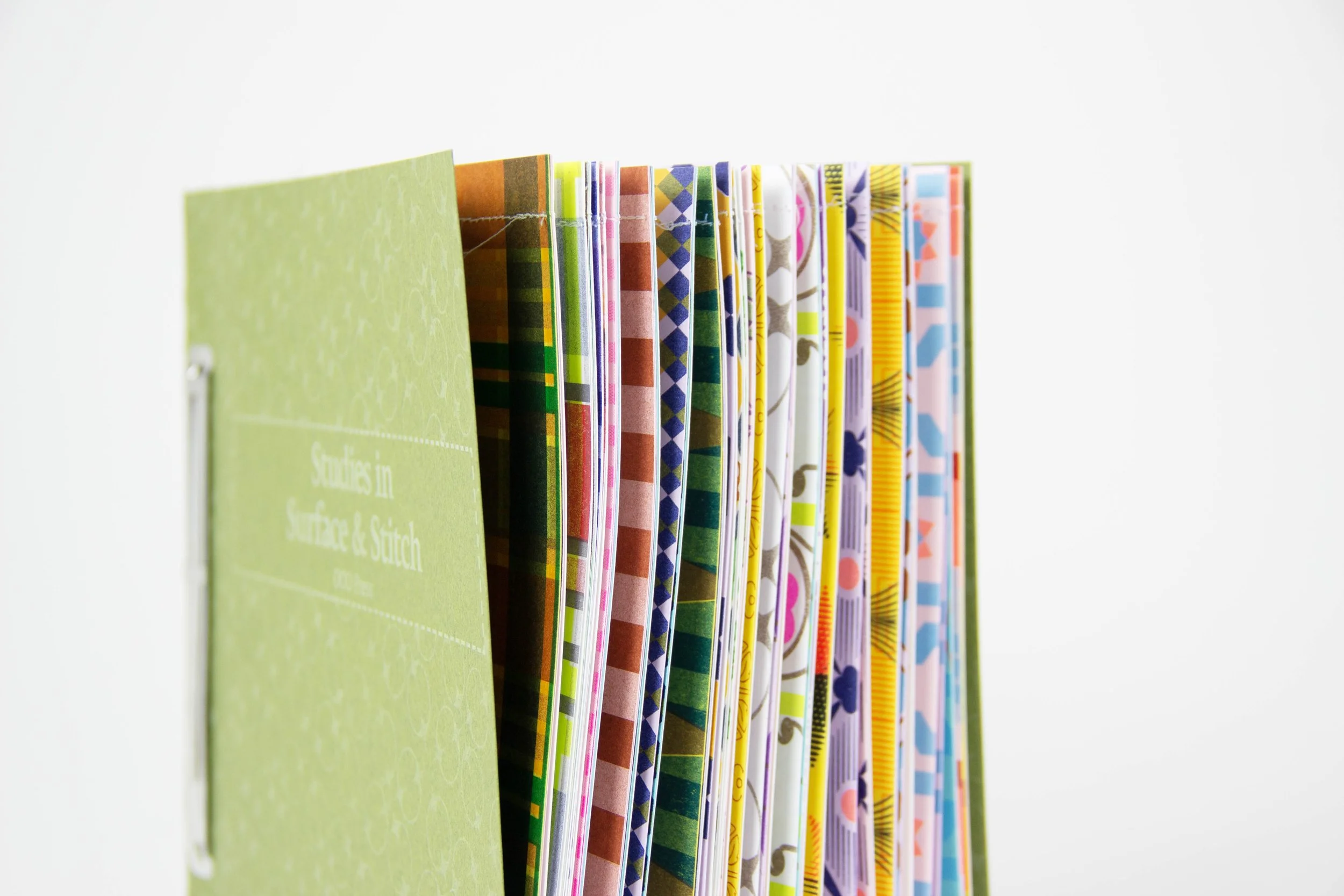
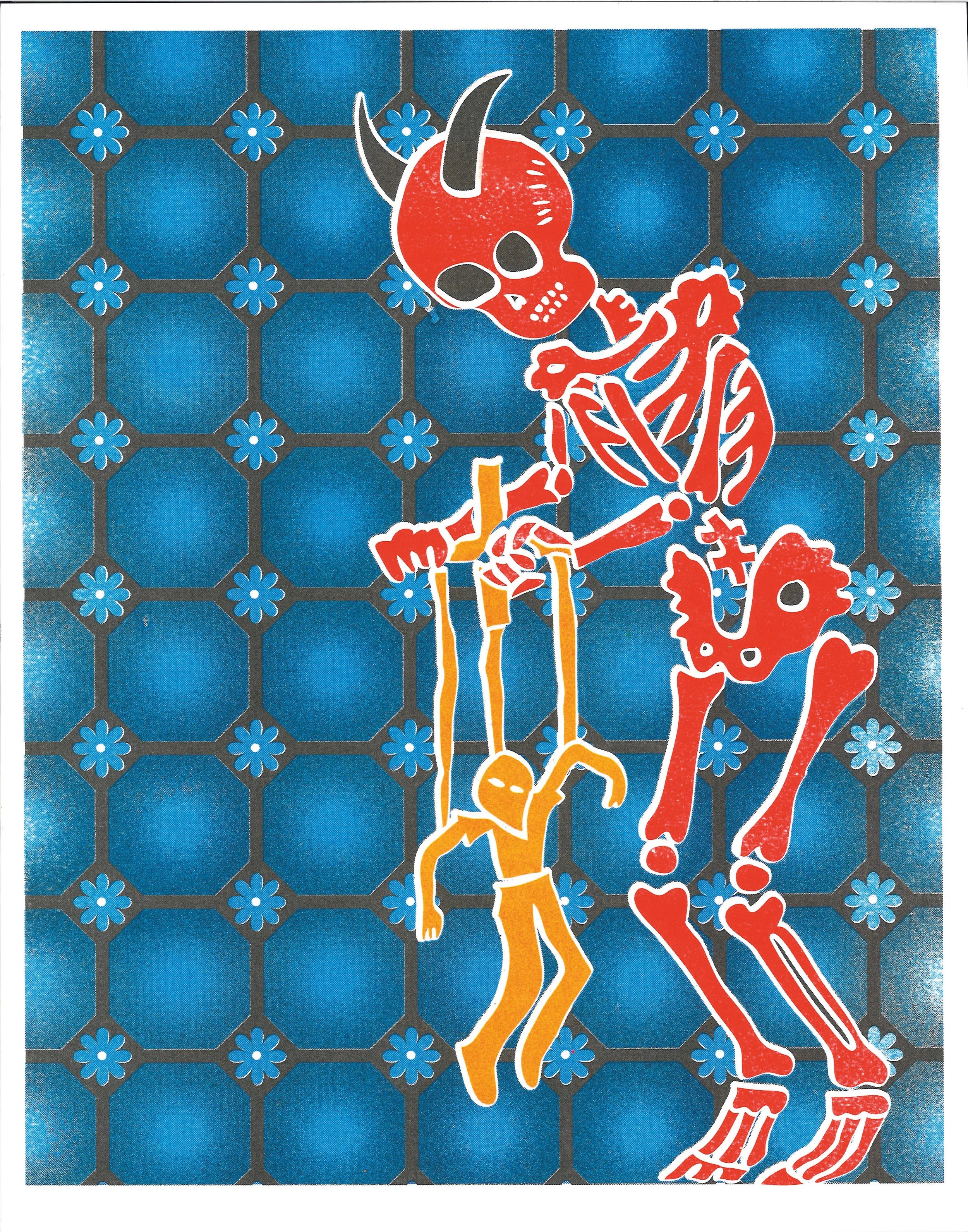
The methods of production are central to the work’s meaning. Letterpress foregrounds pressure, contact, and impression. Linocut emphasizes carving, removal, and the translation of gesture. Risograph printing introduces layering, misregistration, and mechanical inconsistency. Together, these processes resist the illusion of perfect control associated with digital production, instead producing artifacts that record the conditions of their making.
The display structure extends the logic of the press into space by functioning as a distribution system rather than a static display. Instead of presenting works as fixed objects, the structure allows them to circulate, accumulate, and be handled. Publications and prints can be browsed, purchased, and redistributed, positioning the exhibition as an active site of exchange. In this way, the installation operates as a working publishing system, demonstrating how the press continues beyond the gallery.
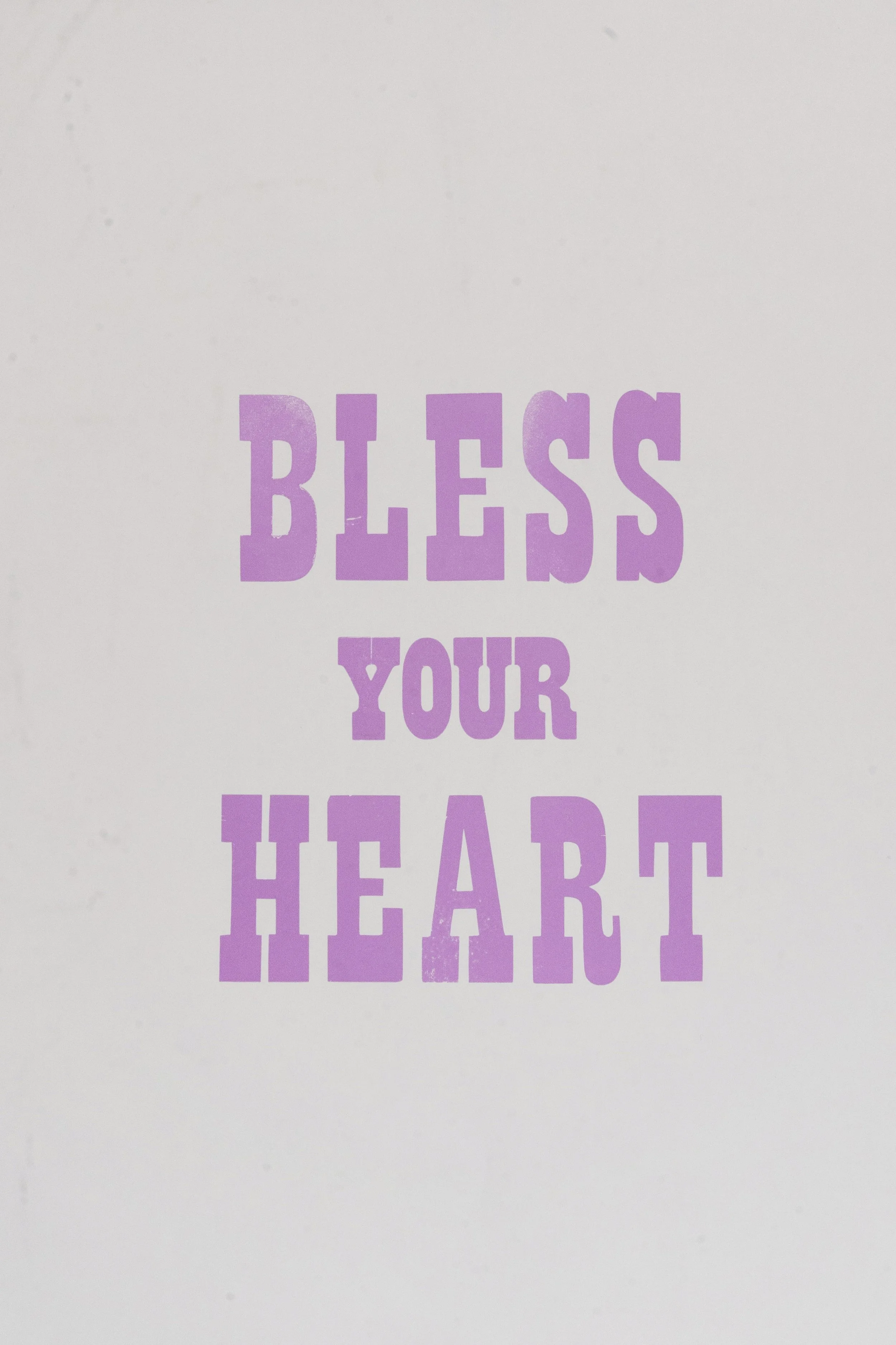
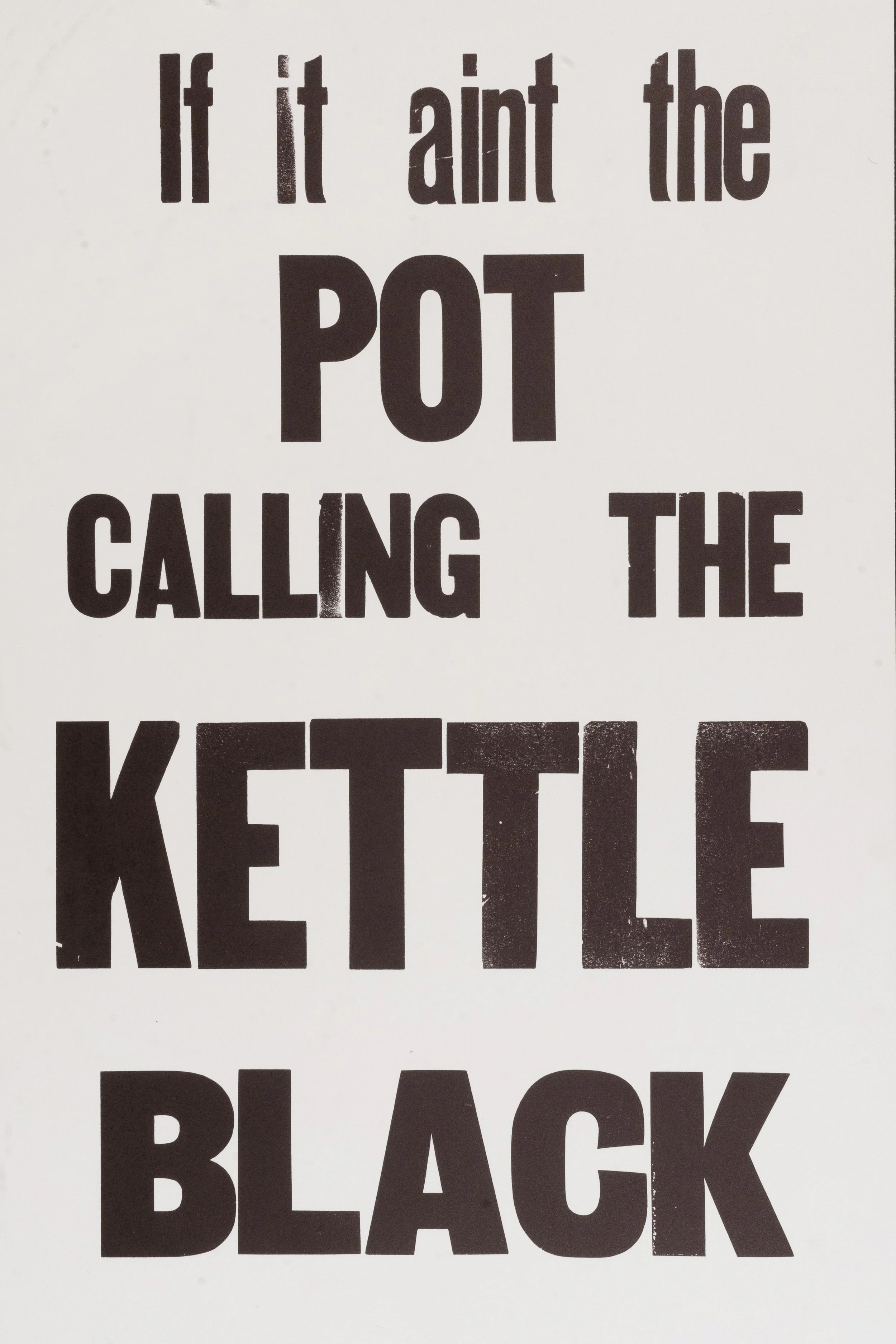
This project advances two primary claims. First, it positions print as a generative medium—one that produces meaning through process, variation, and material interaction—rather than as a nostalgic or purely decorative form. Second, it frames design as a system of inquiry, using rules, constraints, and repetition to expose the conditions, labor, and structures that shape how work is produced and circulated. OOO Press operates within and responds to larger systems. Culturally, it addresses a moment defined by speed, seamlessness, and disposability in digital production, offering a slower model grounded in touch, duration, and material engagement. Economically, it reflects the conditions of independent publishing, where small print runs, self-distribution, and direct exchange sustain the work. Technically, it integrates analog and digital workflows, treating software and hand processes not as oppositional but as interconnected systems that shape production and circulation.
Publishing, in this context, is not a final outcome but an ongoing process. Through print, display, and distribution, OOO Press proposes an iterative model of authorship—one that is material, distributed, and inseparable from the systems that produce it.