 Image 1 of 1
Beth Martini
You can't fix what you can't see.
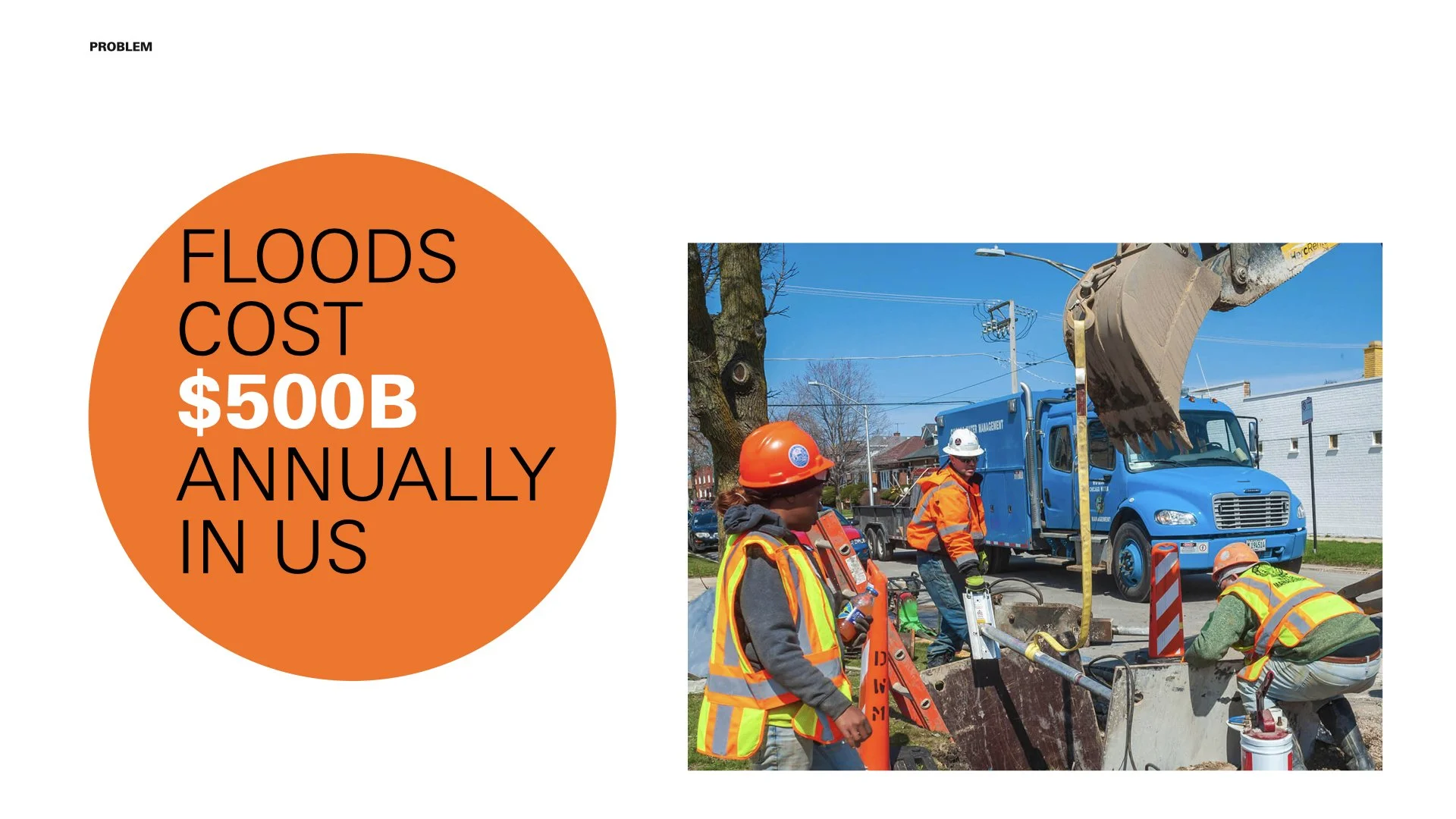
Flooding from failing sewer infrastructure costs as much as $500B a year in the US, and that figure doesn't account for the toll on the people and communities left to deal with the aftermath.
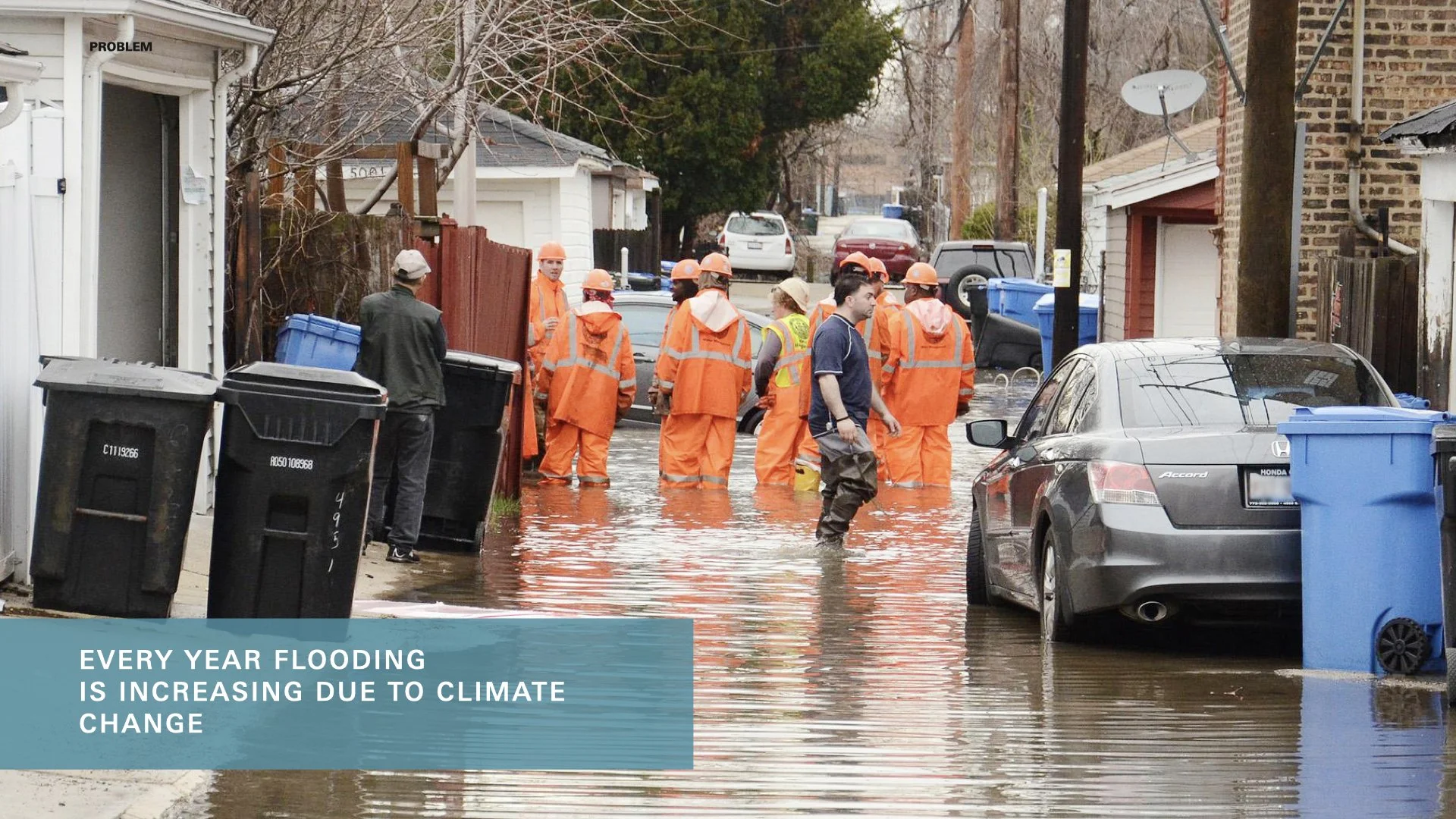
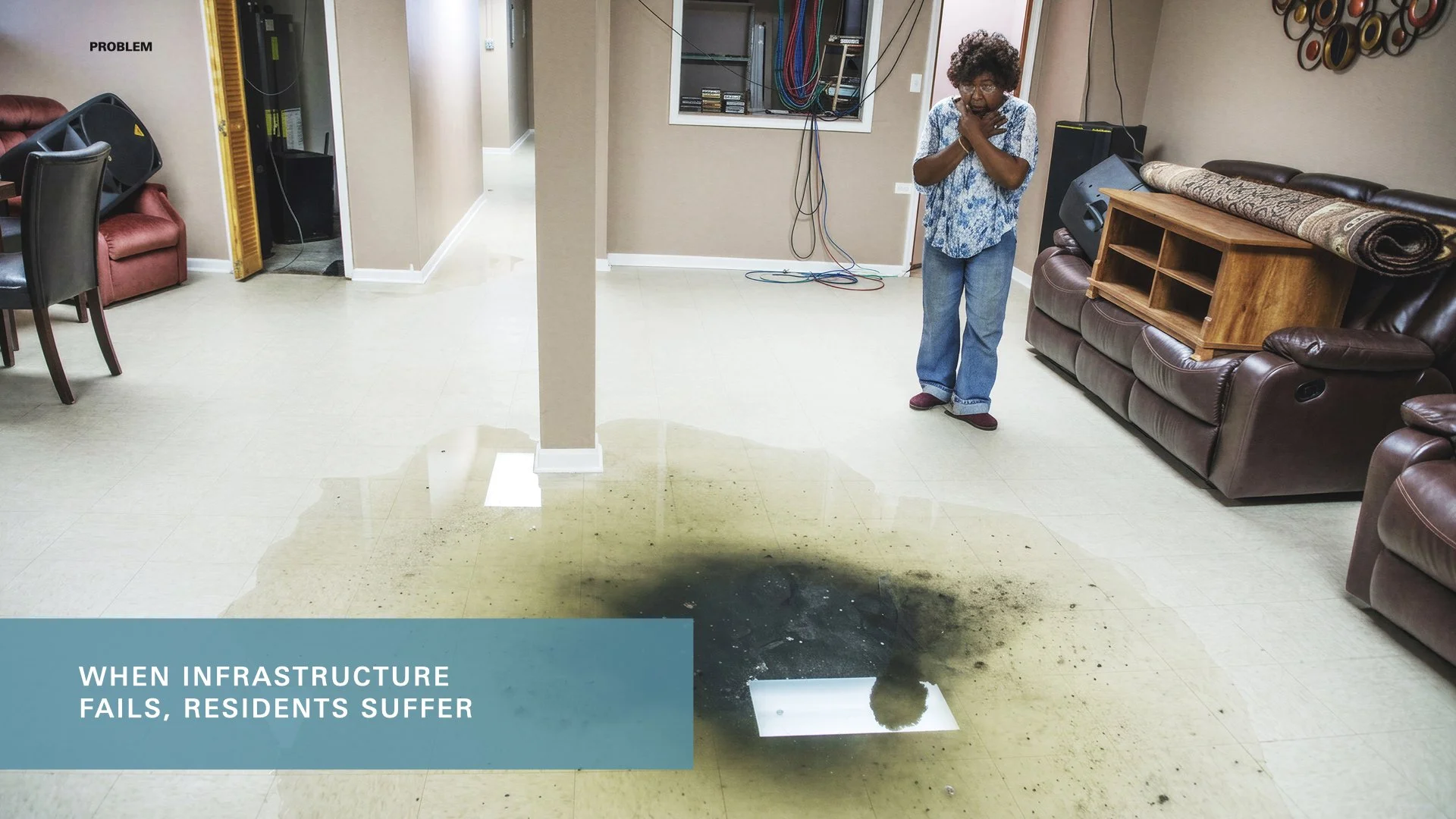
Municipalities have very little visibility into the systems beneath our feet. When sewers fail, the consequences are immediate and personal: for residents, that means sewage in the basement, months of torn-up streets, and insurance claims that don't cover half the damage. For cities, it means runaway project costs and public health crises that could be prevented.
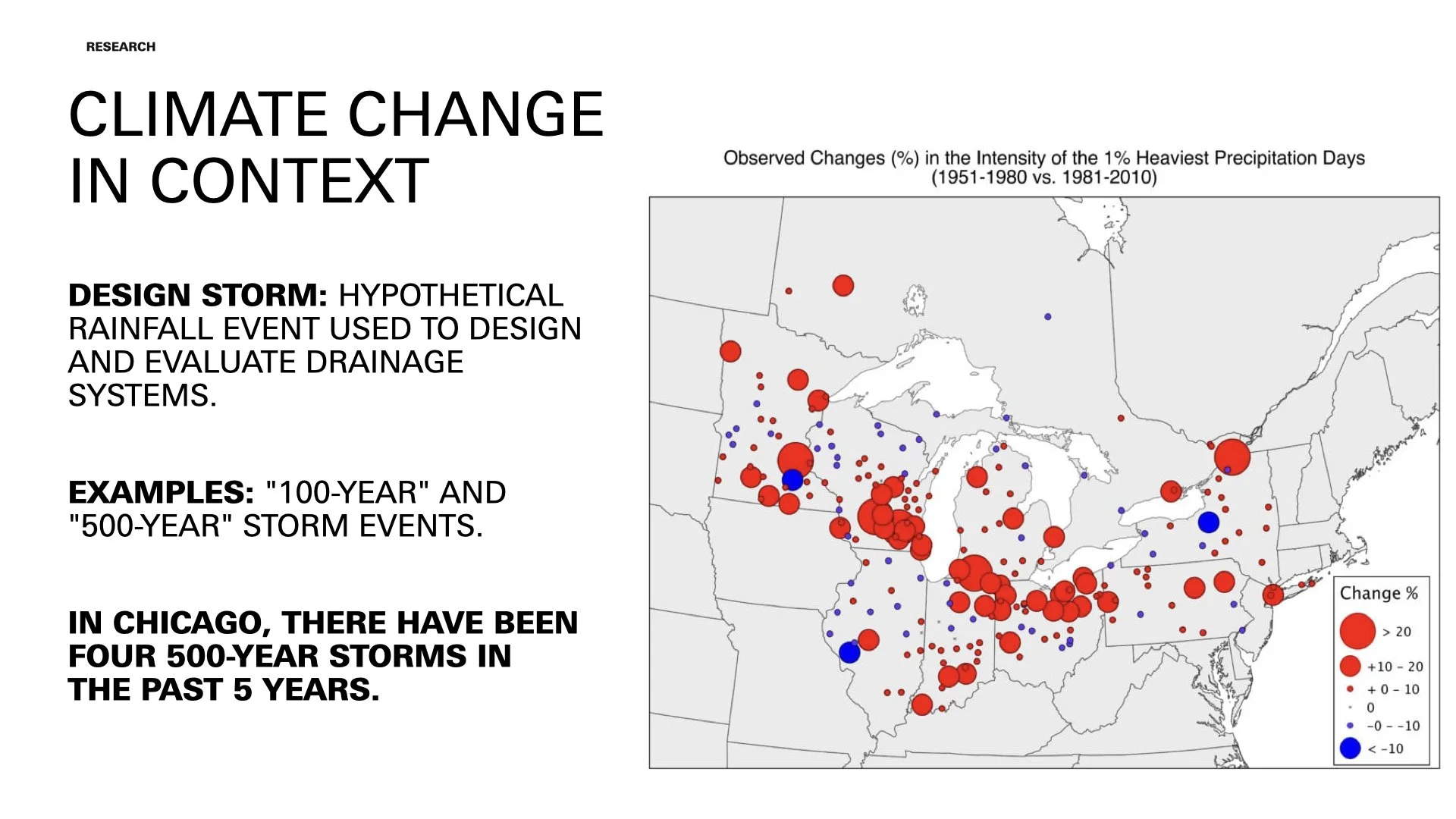
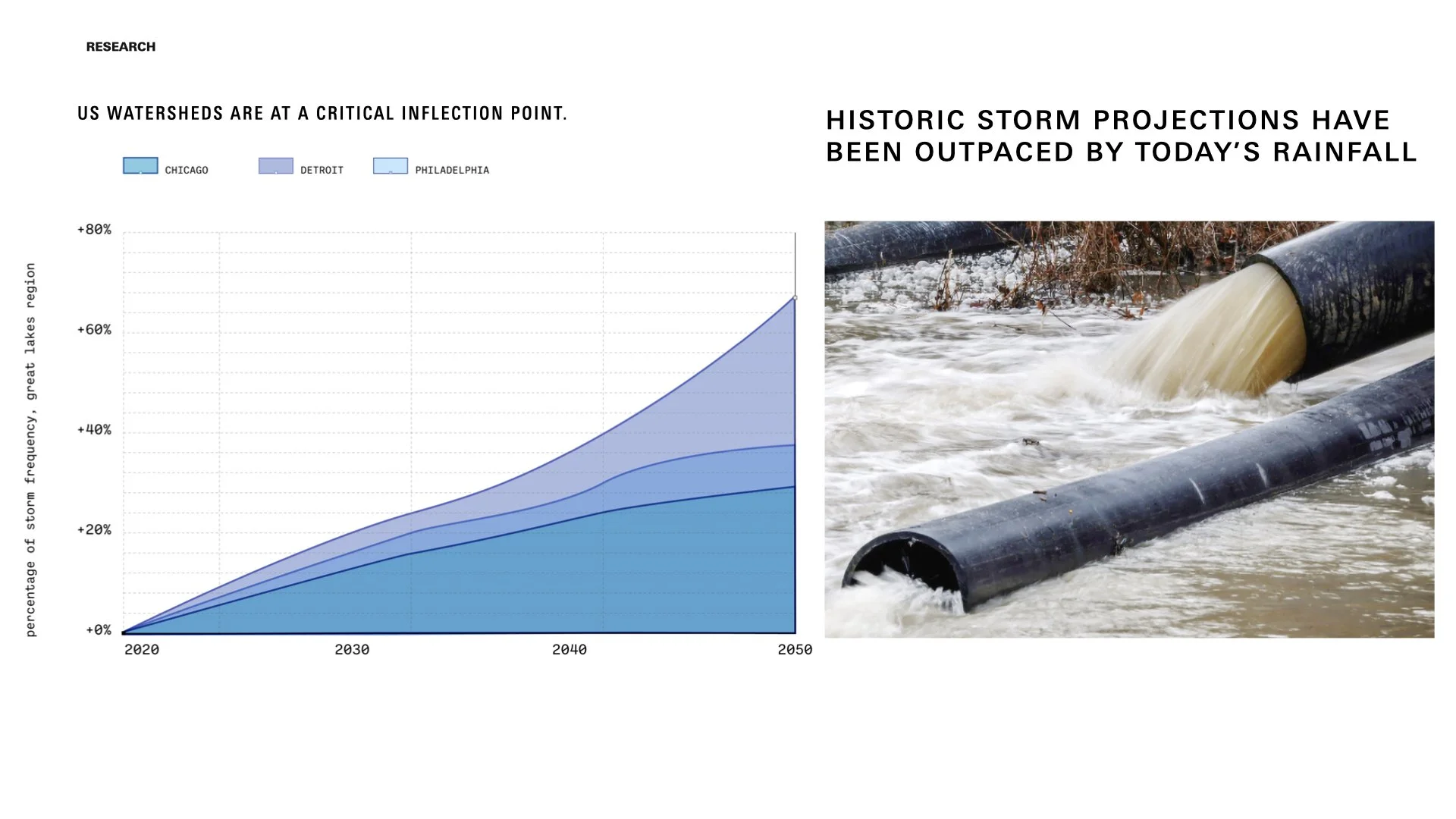
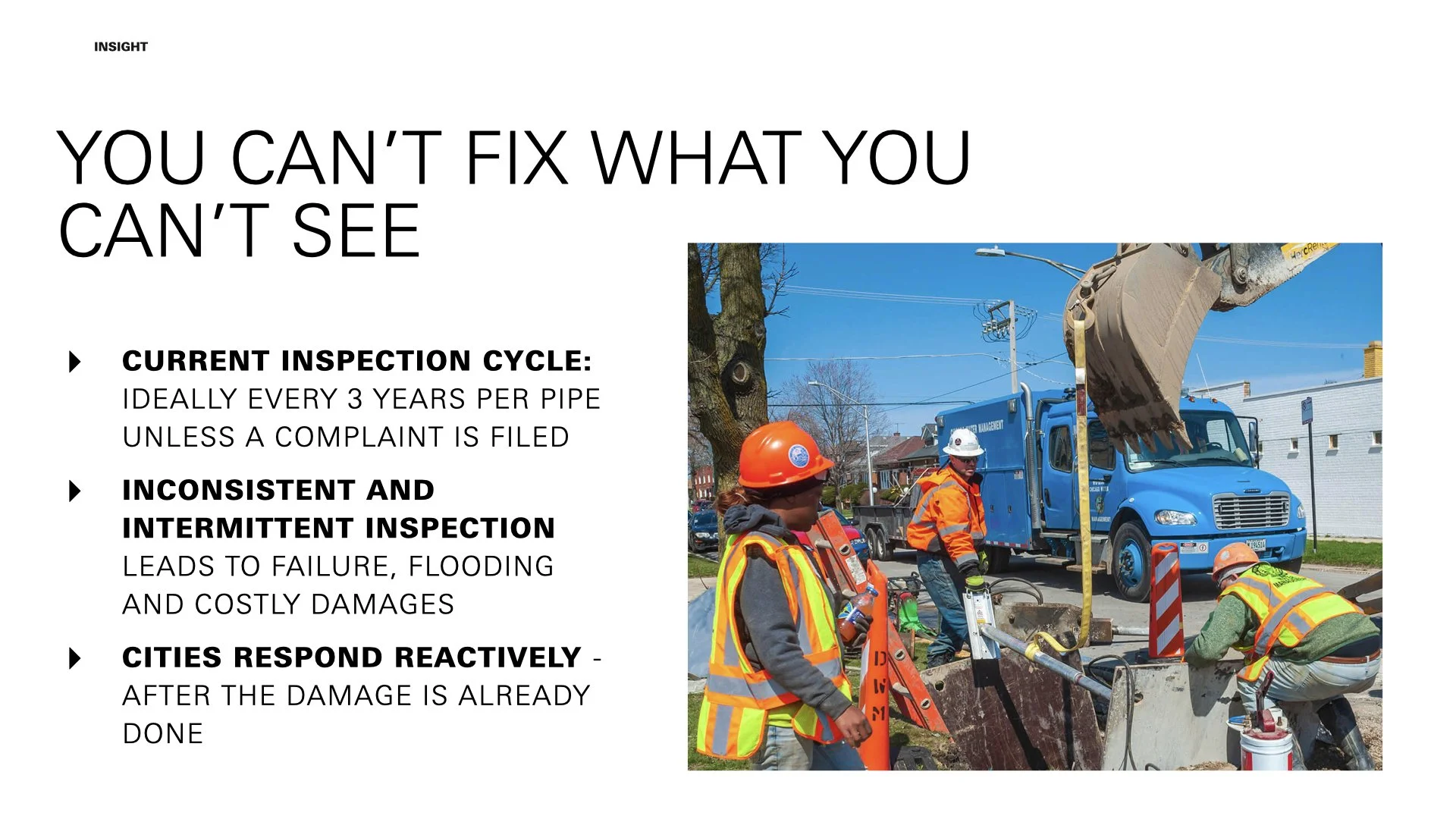
Cities across North America, concentrated around the Great Lakes region, have sewer infrastructure systems over 100 years old. For example, Chicago inspects the sewer network once every three years unless there is a complaint or a disaster. Infrastructure projects rely on historical data to predict future conditions, but those models have become obsolete due to rapidly intensifying storms driven by climate change.
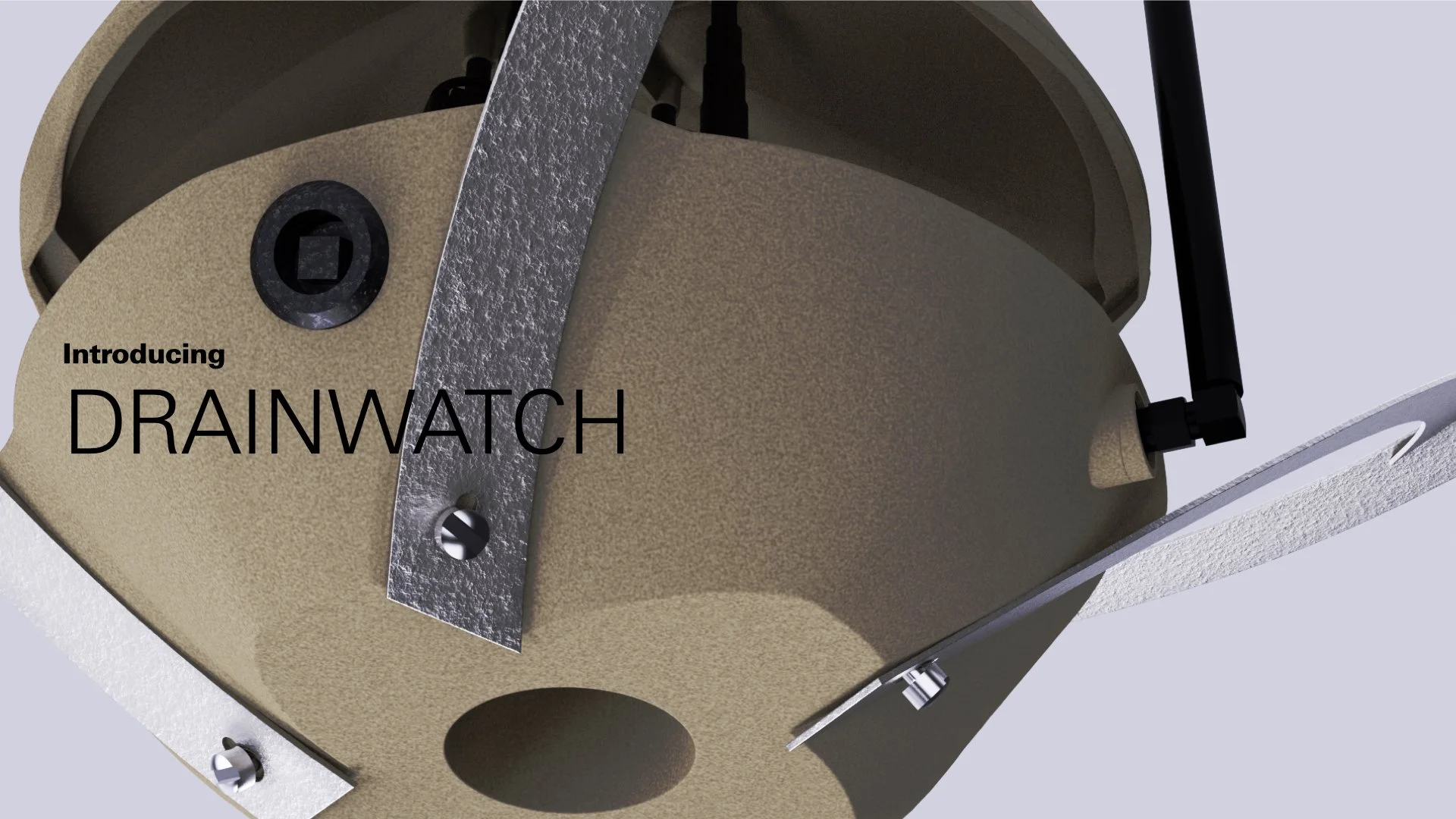
An industry innovation, DrainWatch stops the reactive response cycle by integrating sensor hardware, data, and risk-ranked analytics into a single continuous monitoring system.
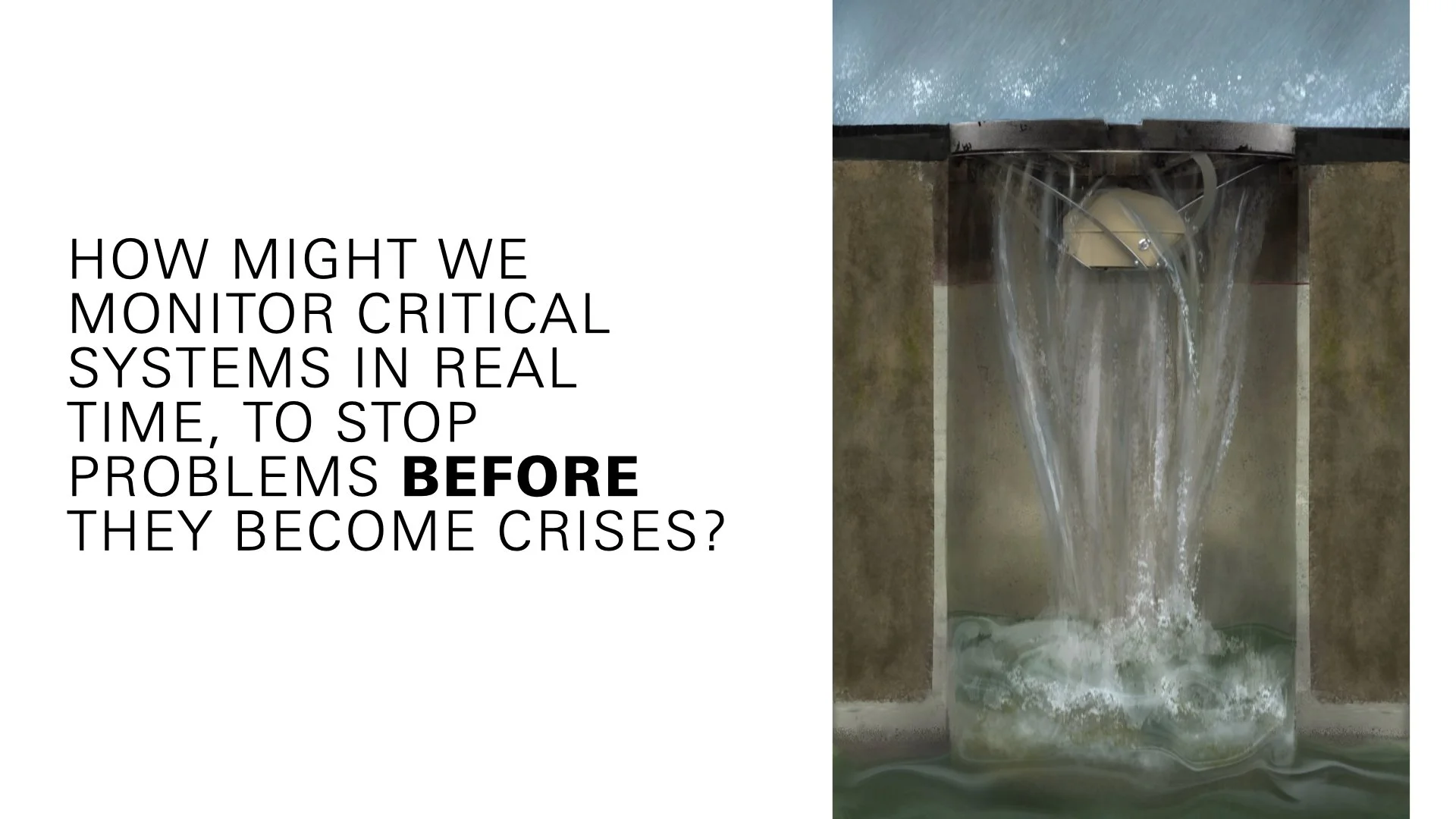
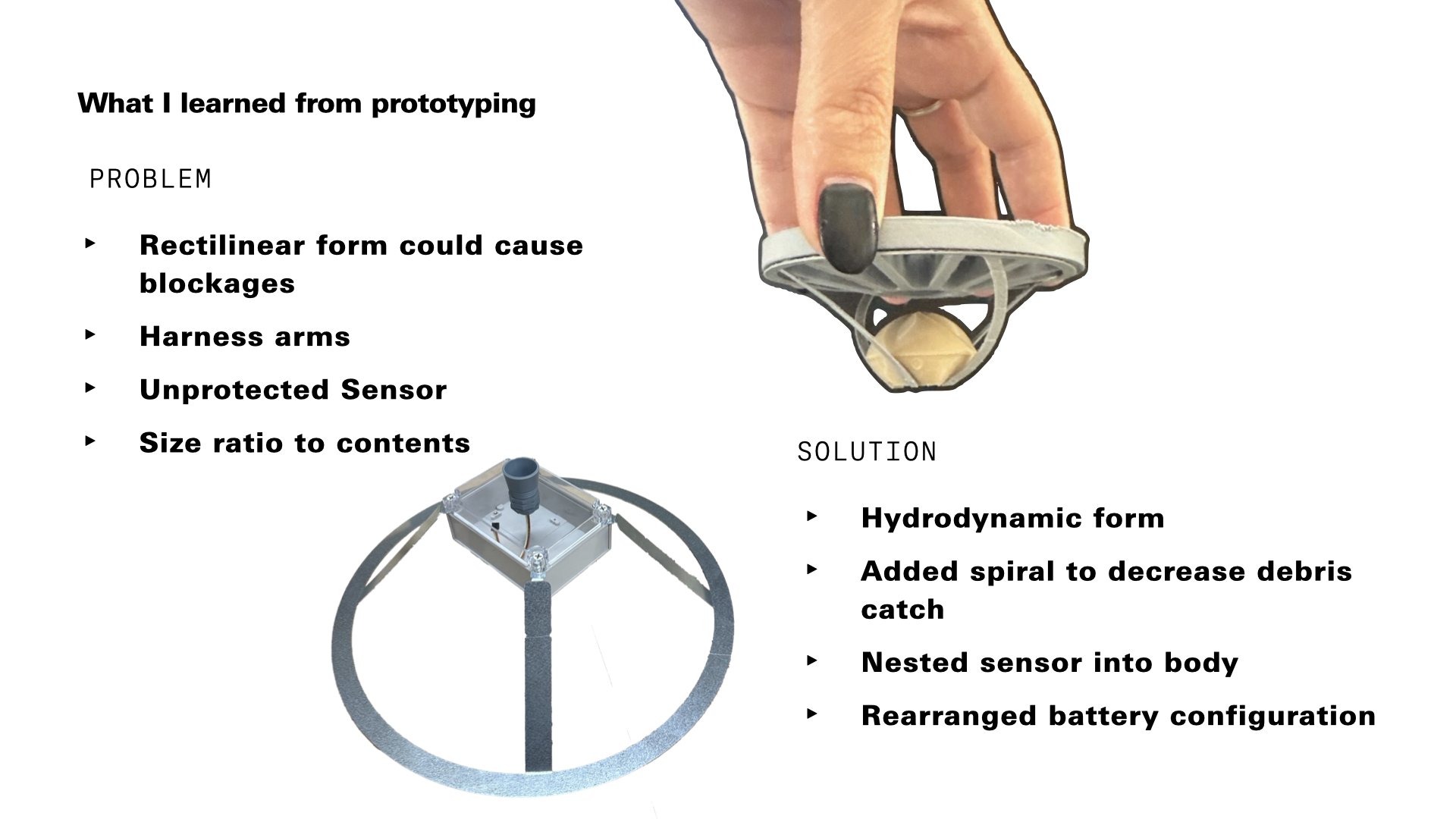
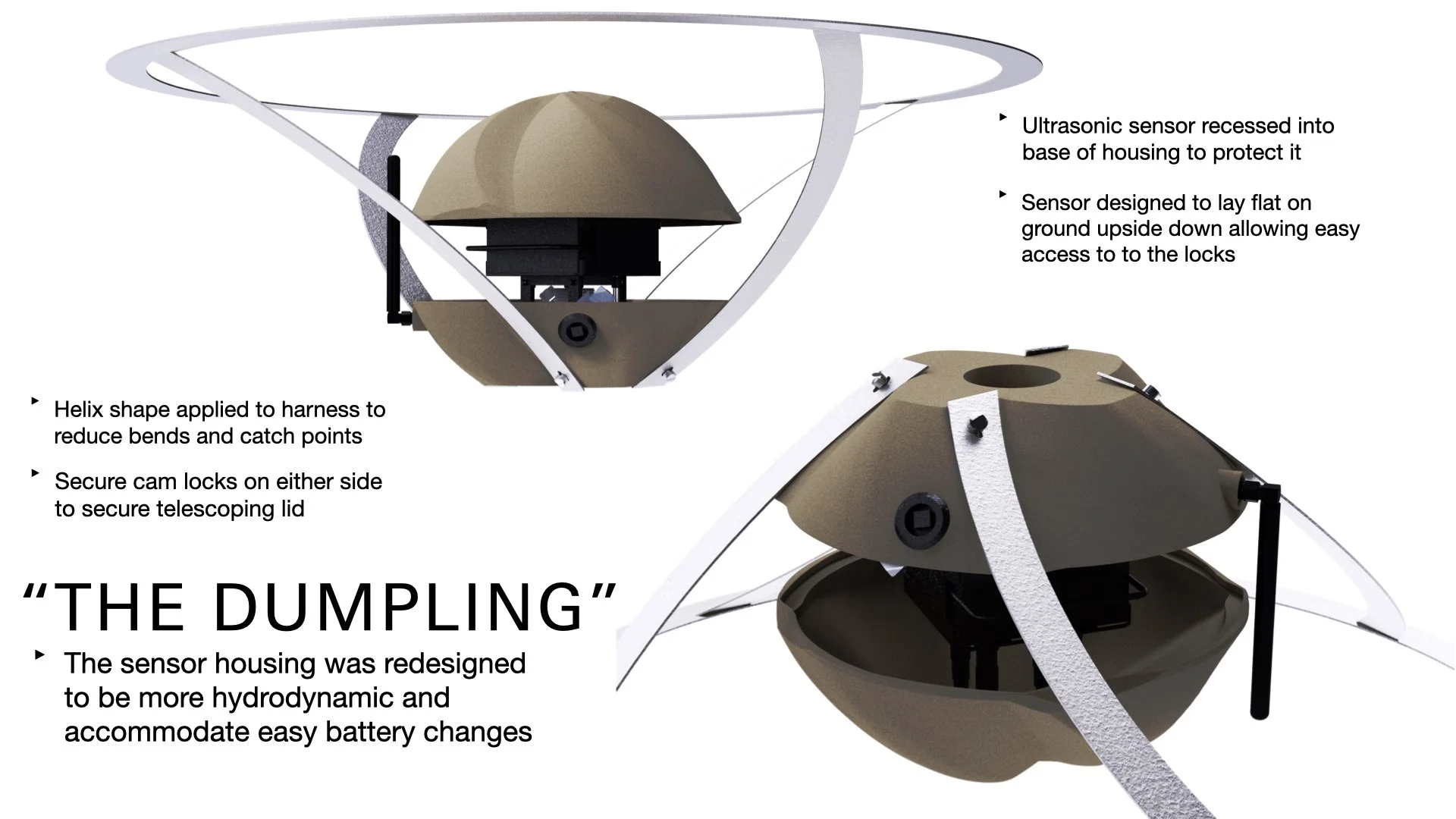
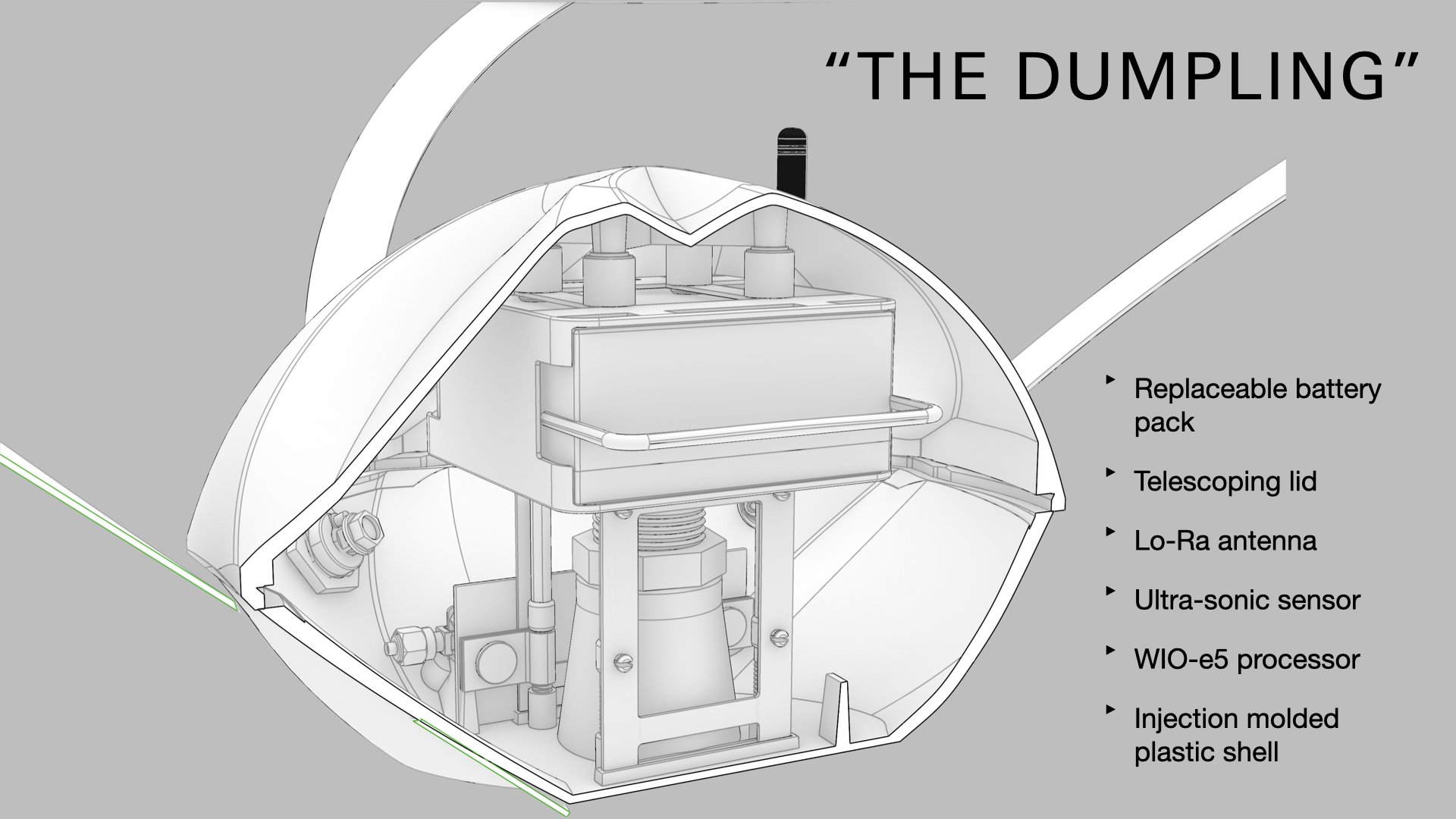
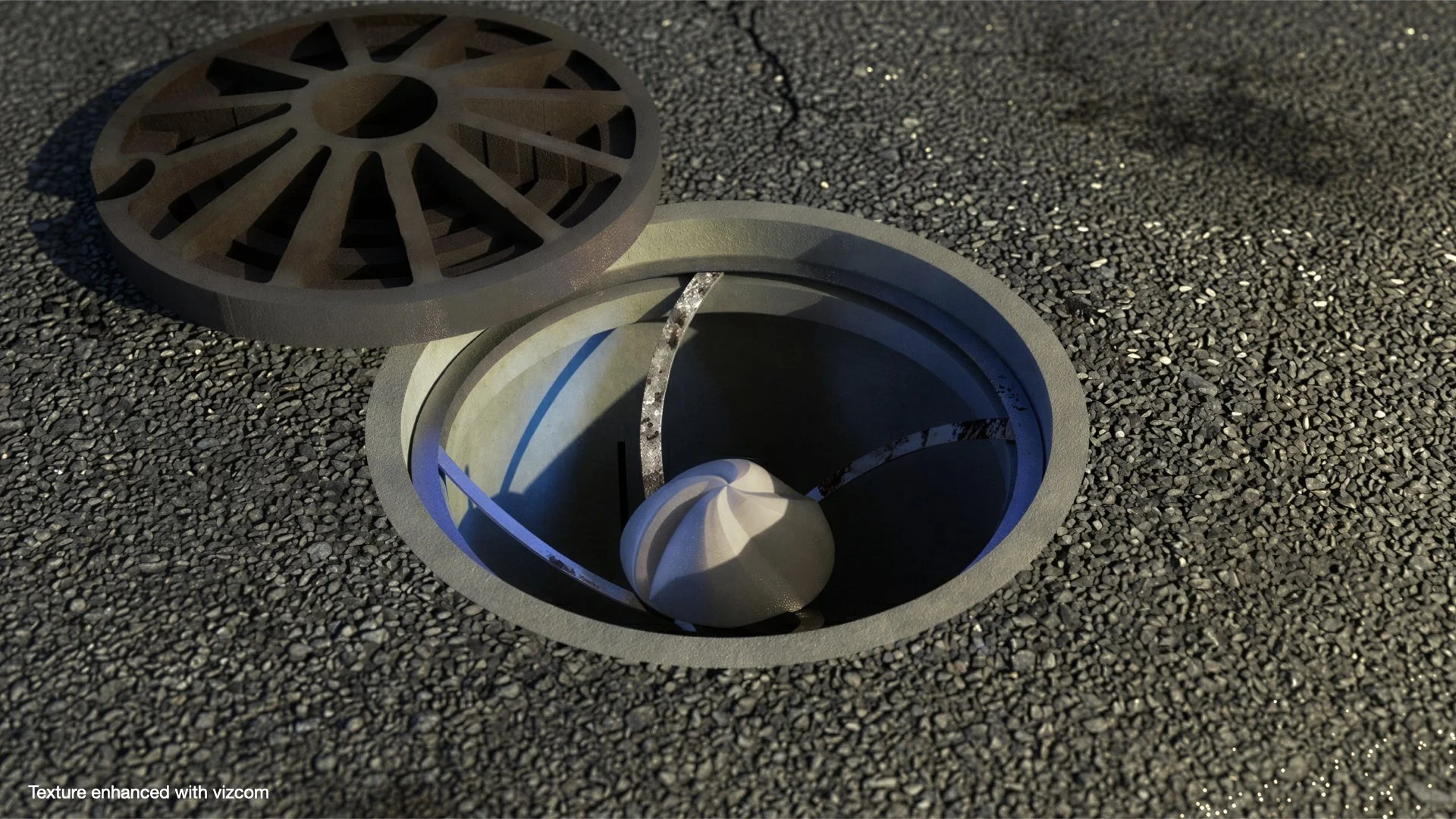
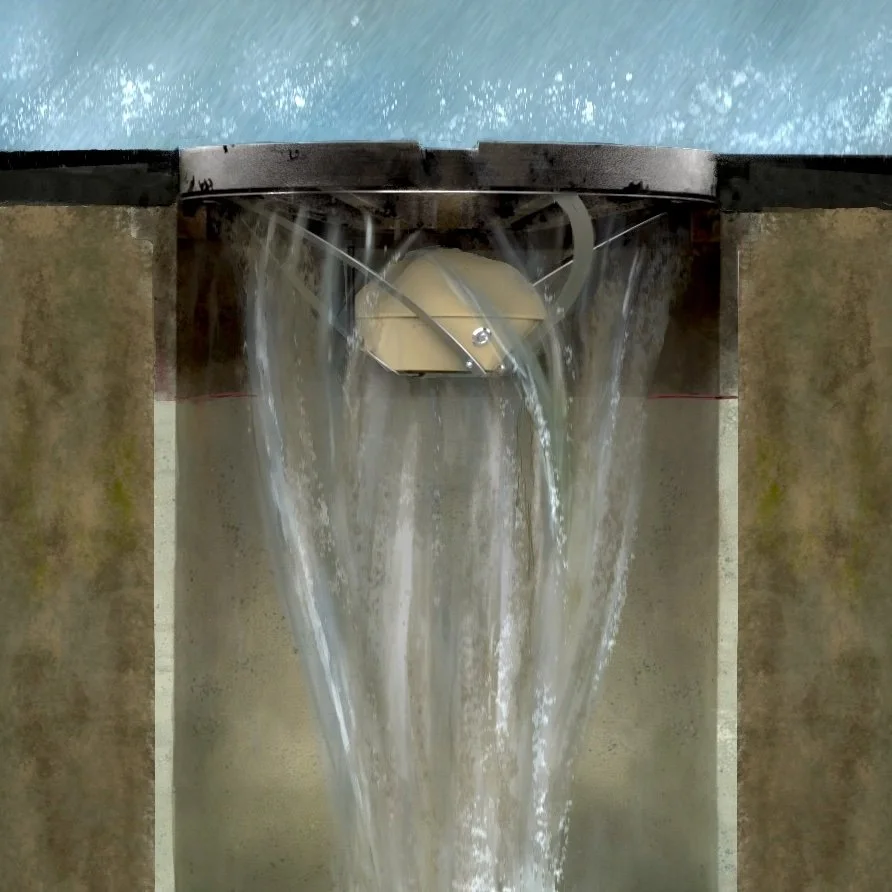
The hardware is installed at the top of manholes, under the lid, measuring sewer water levels every 2 minutes and providing municipalities with live insight into their networks. When an anomaly is detected, whether caused by a blockage, root intrusion, pipe damage, or corrosion, DrainWatch maps and categorizes it by risk level. When invisible problems are made clear, crews know exactly where to go and what to prioritize. Problems caught before they become failures mean fewer flooded homes, targeted repairs instead of costly full overhauls, and informed capital planning for system expansion based on data rather than guesswork.