 Image 1 of 1
Jasmyn Scavella
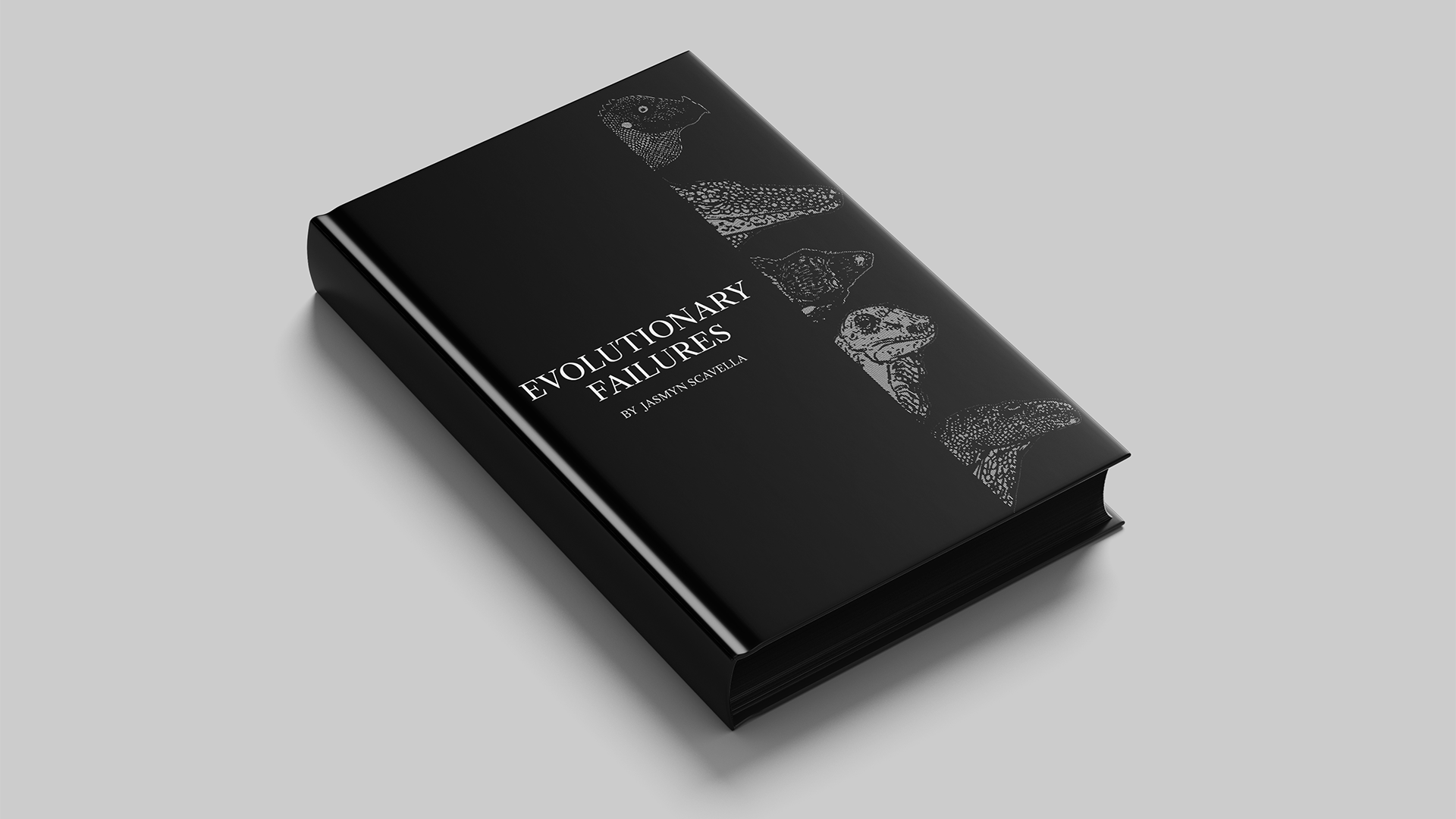
Evolutionary Failures
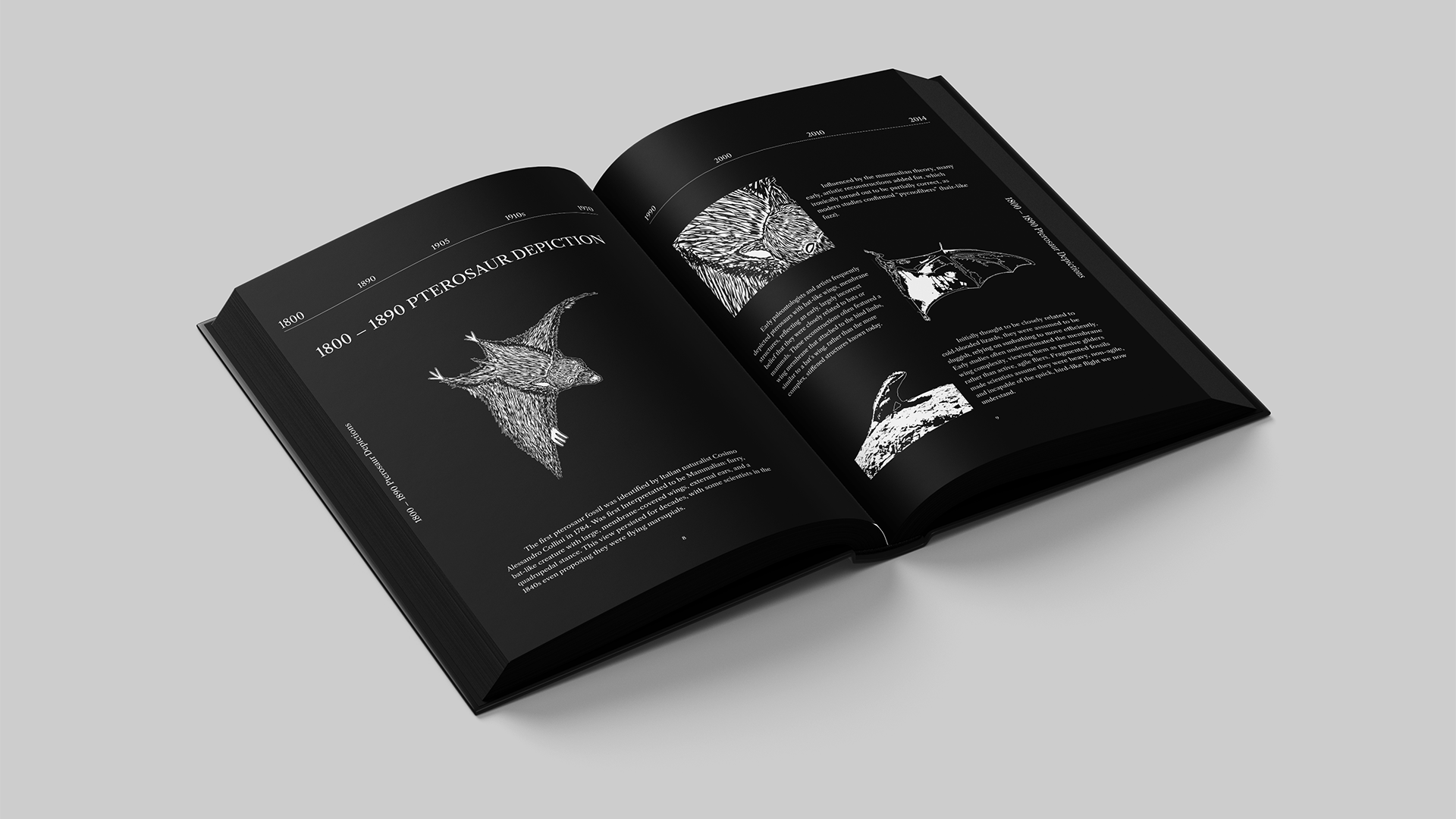
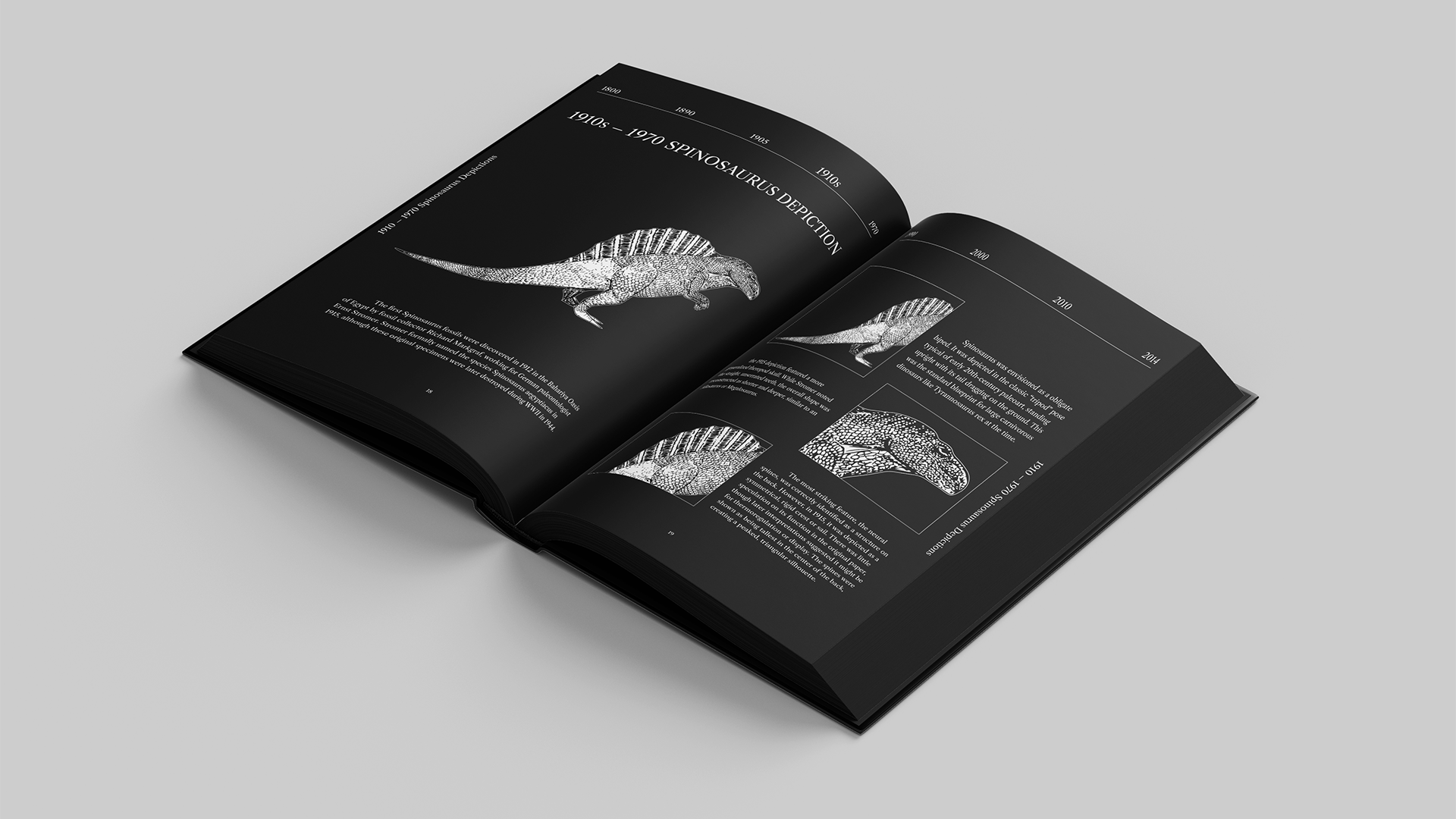
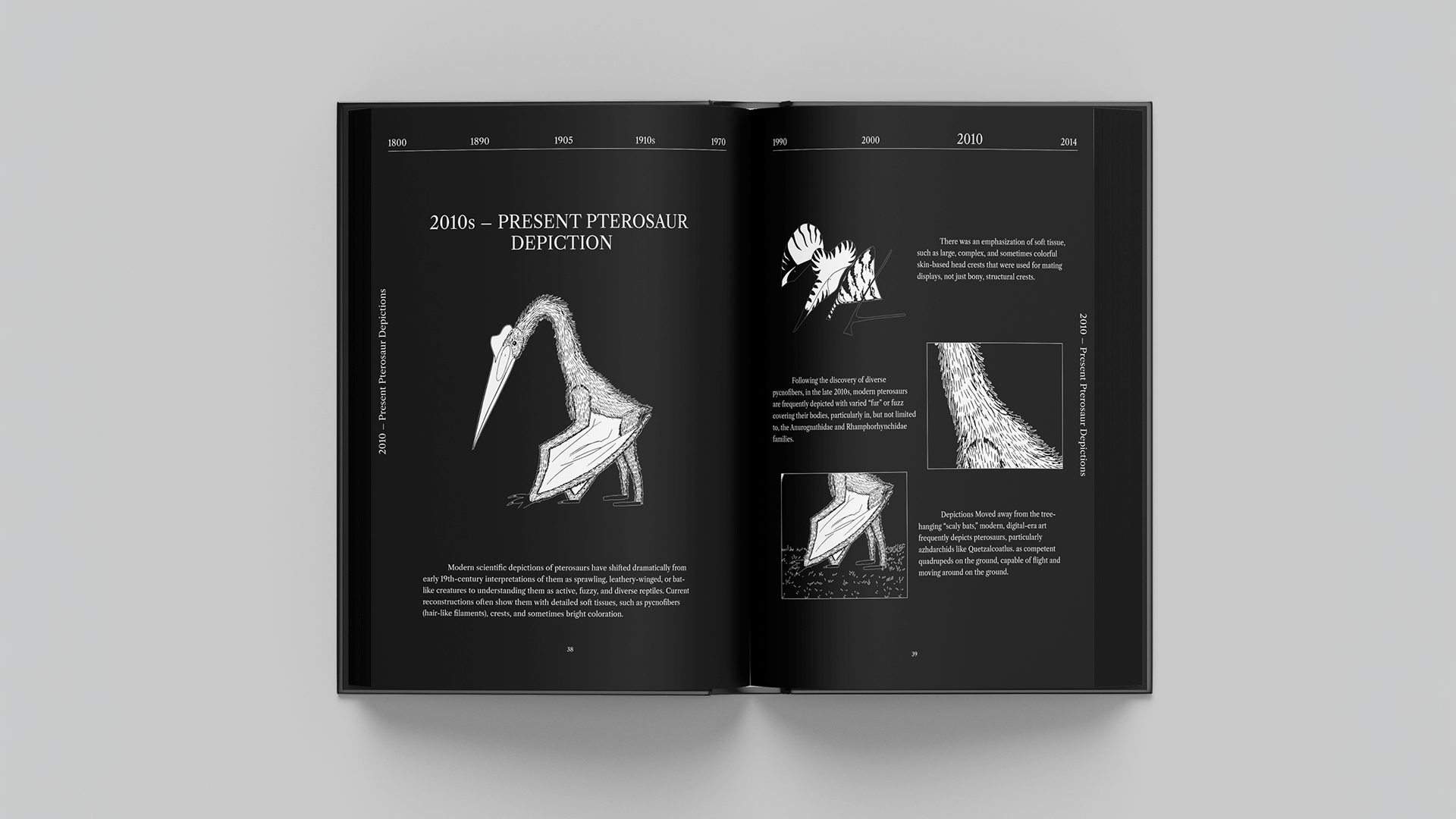
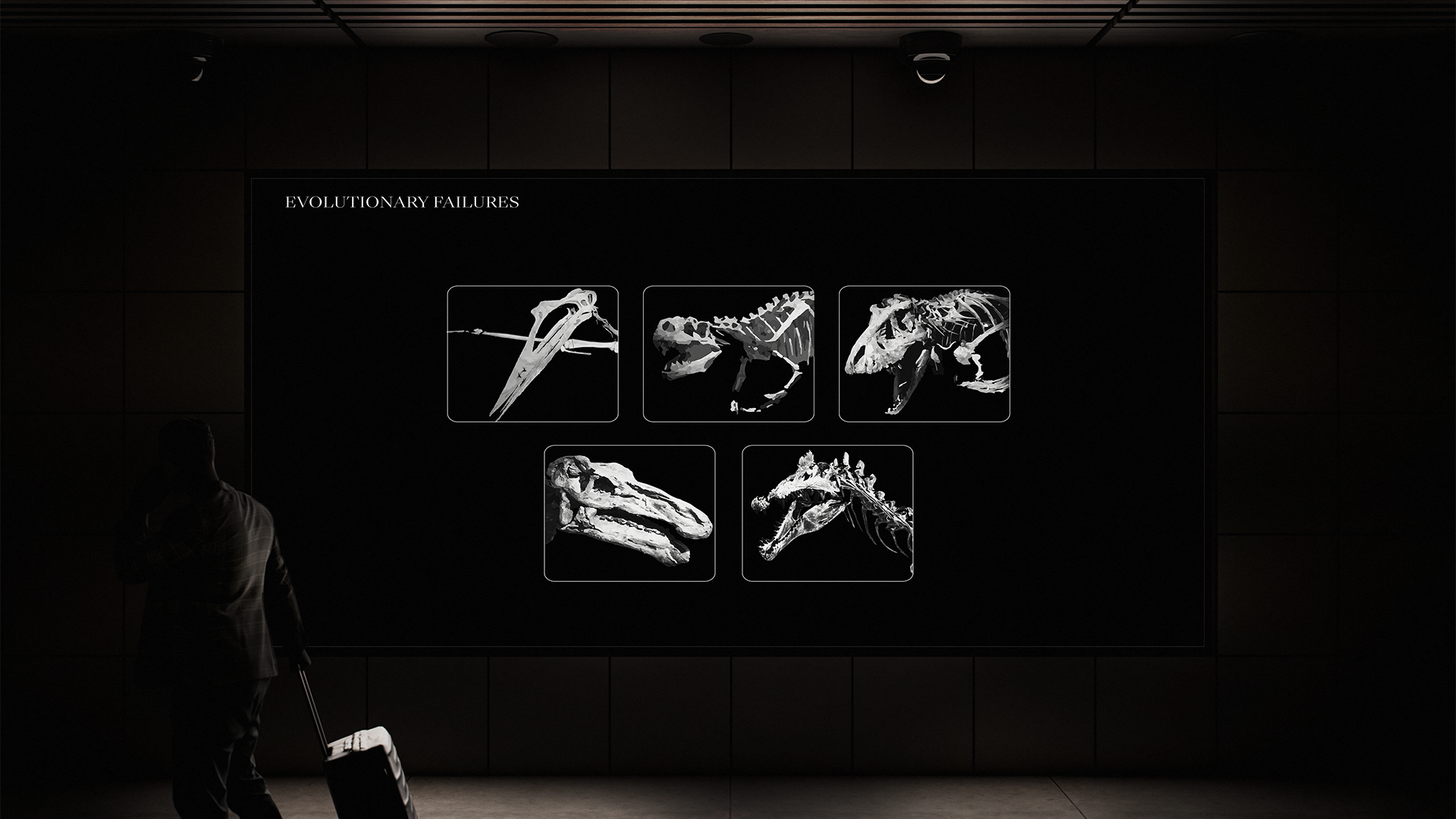
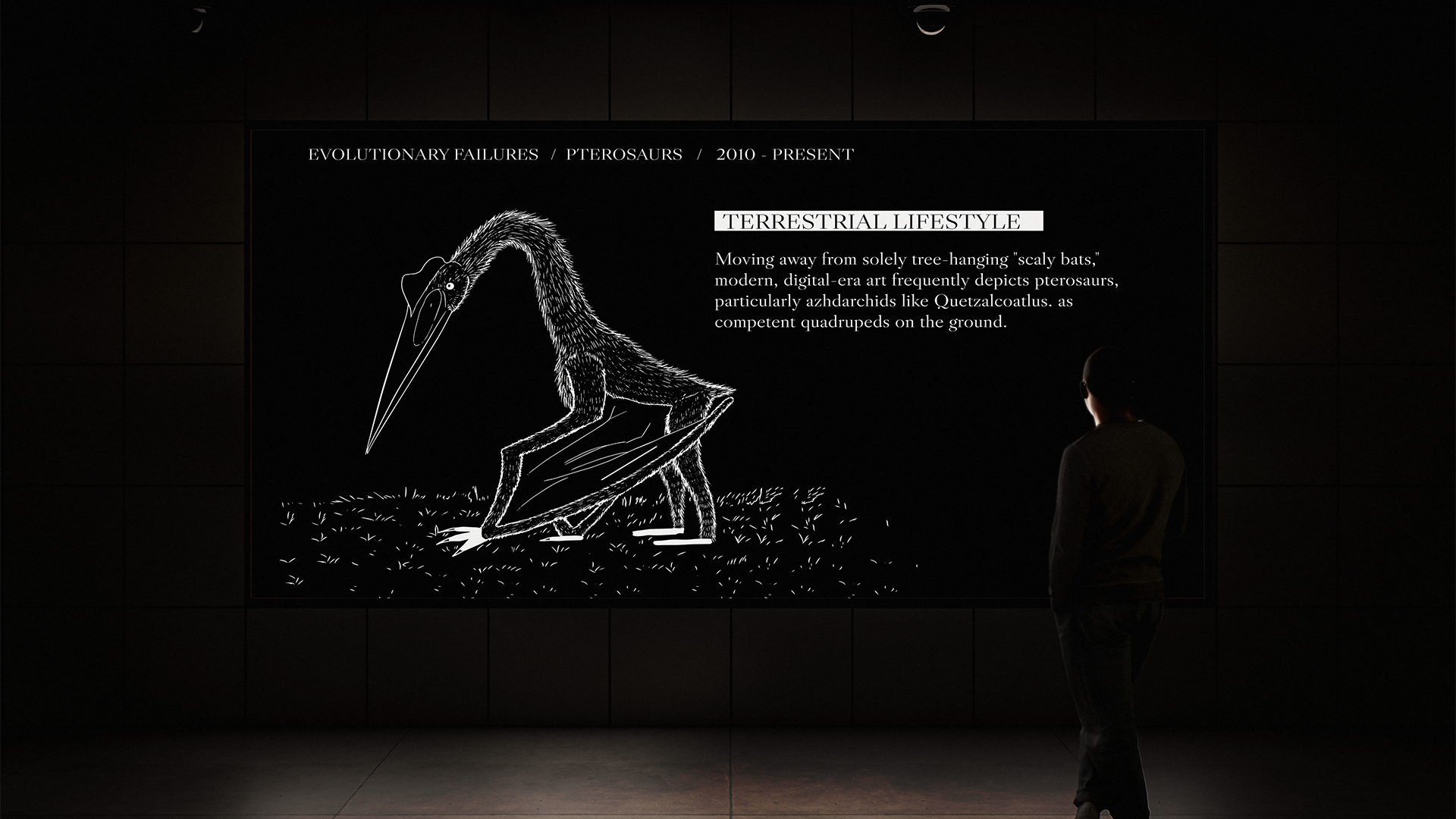
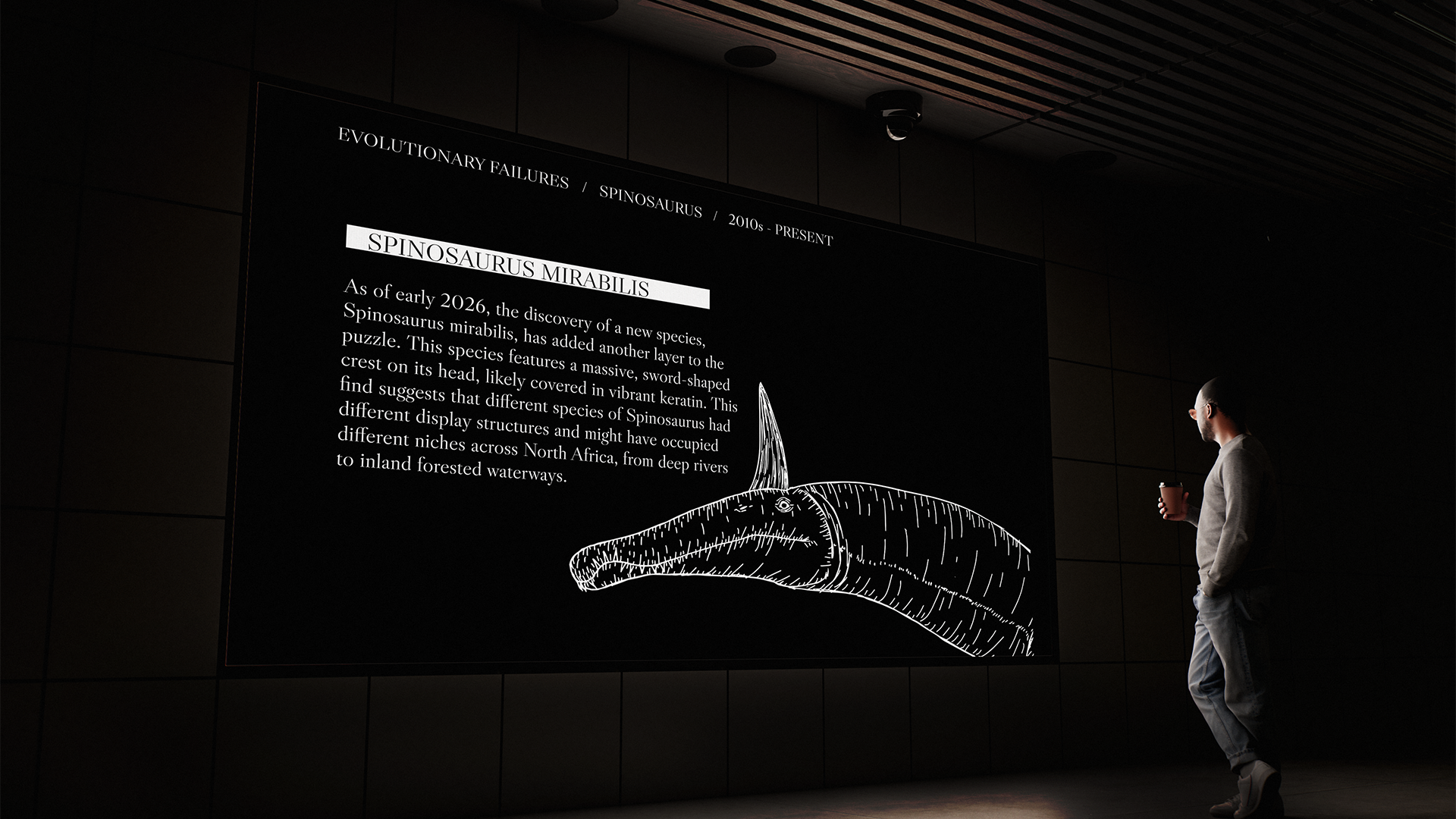
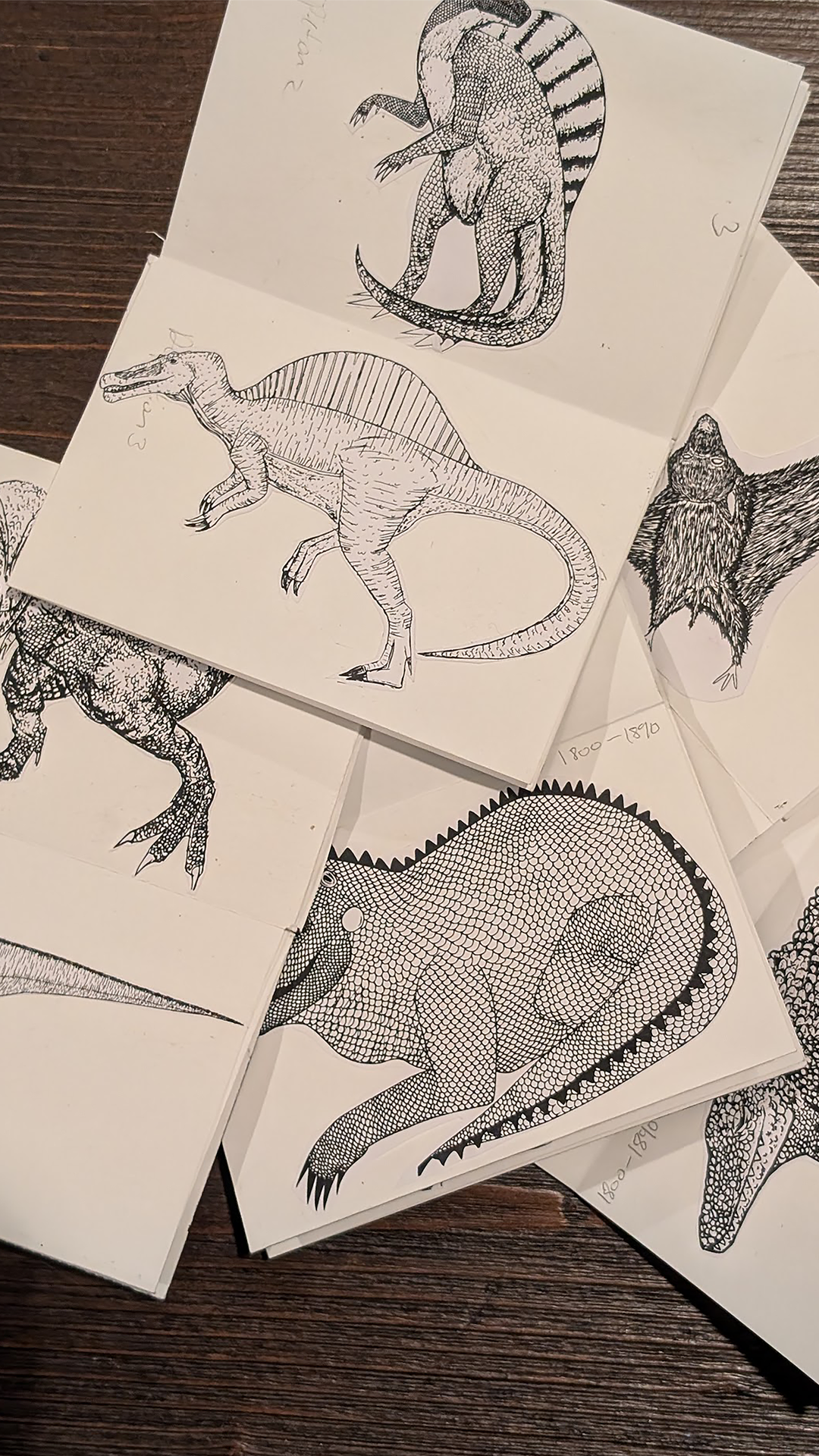
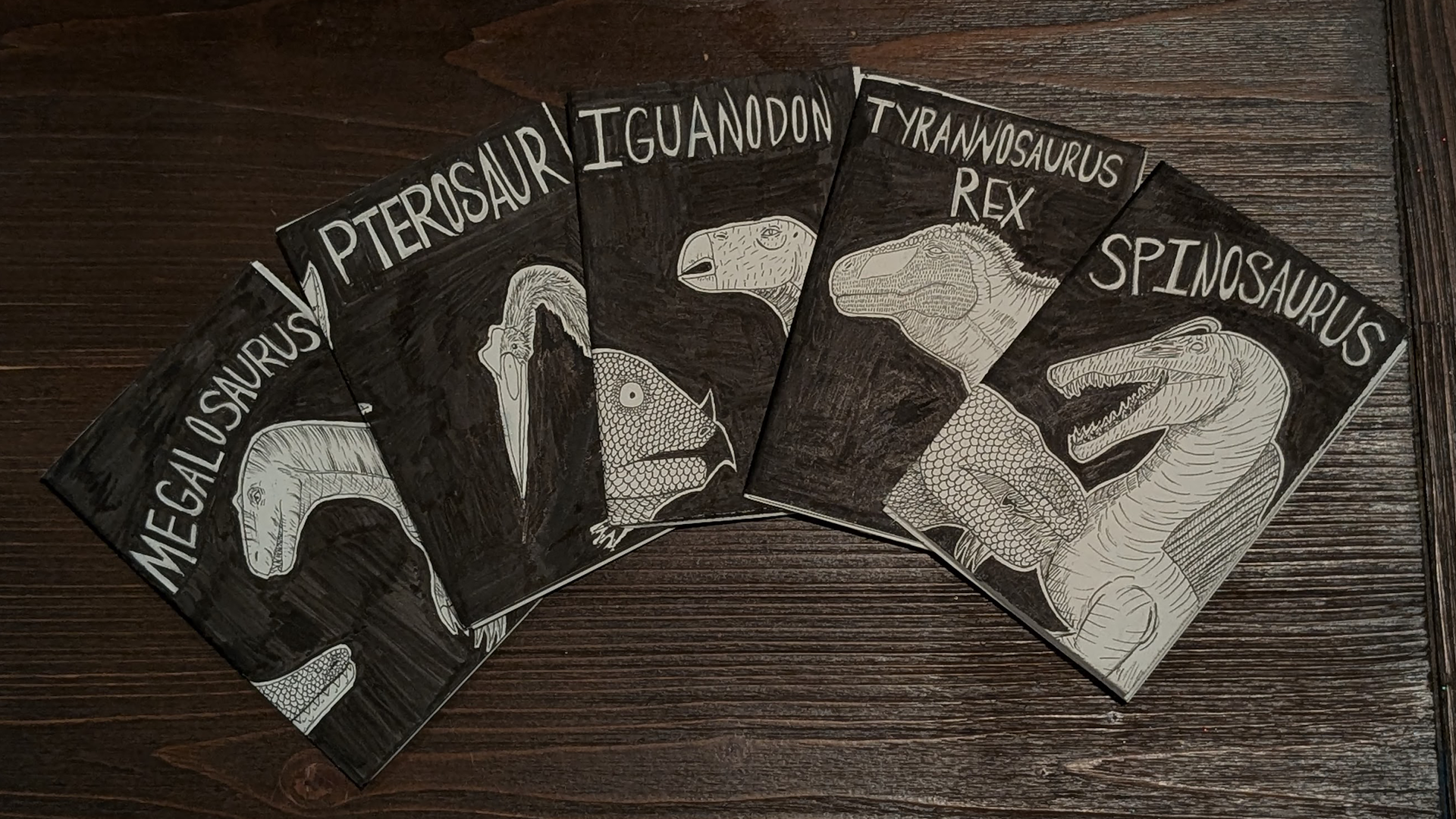
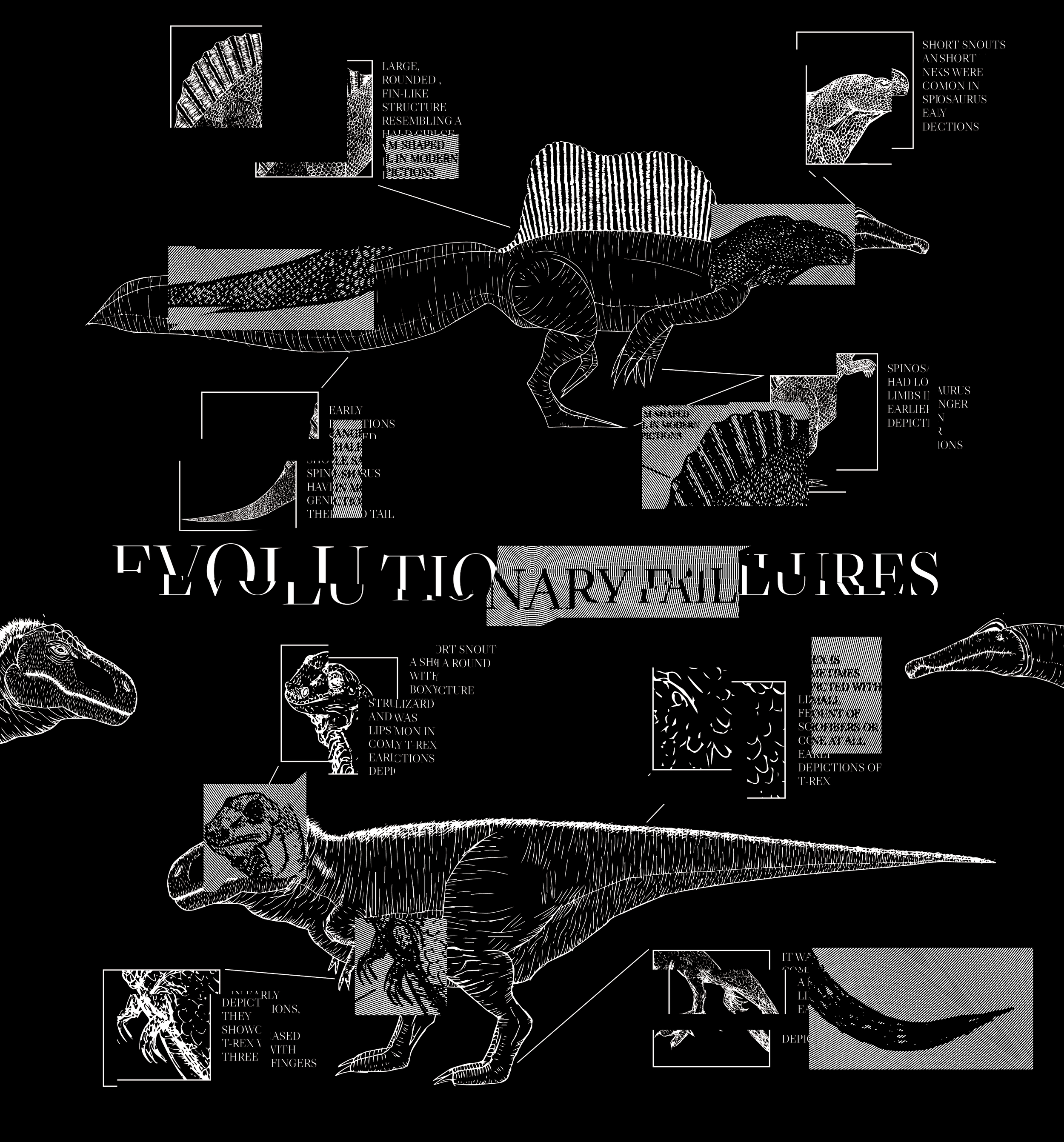
The history of paleoart is not a mere record of bone discoveries, but a transformative narrative of how we have perceived life across deep time. My thesis explores the evolution of paleontology and paleoart, illustrating the shift from rigid skeletal reconstructions to present skeletal reconstructions to speculative biology. This transition mirrors the growing scientific sophistication, moving away from Victorian interpretations that often mischaracterized prehistoric wildlife. Dinosaurs and other prehistoric animals during their time were depicted as sluggish, tail dragging, “evolutionary failures” that were destined for extinction due to their perceived biological inferiority. These early 1800 models were influenced by a cold-blodded reptilian model and portrayed animals that were literally weighed down by their own anatomy. The “Dinosaur Renaissance” of the late 20th century sparked a radical reimagining. My research tracks this progression toward the dynamic, high-metabolism organisms we recognize today. By integrating soft tissue evidence, and the inclusion of dermal structures like feathers, paleoart now reflects a more accurate biological reality. We no longer view these creatures as obsolete monsters, but as highly specialized evolutionary successes. Evolutionary Failures highlights how human bias influenced these depictions of evolutionary failures, and how paleoart has grown to depict these creatures as evolutionary successes.