Bahar Aryana
PEBS
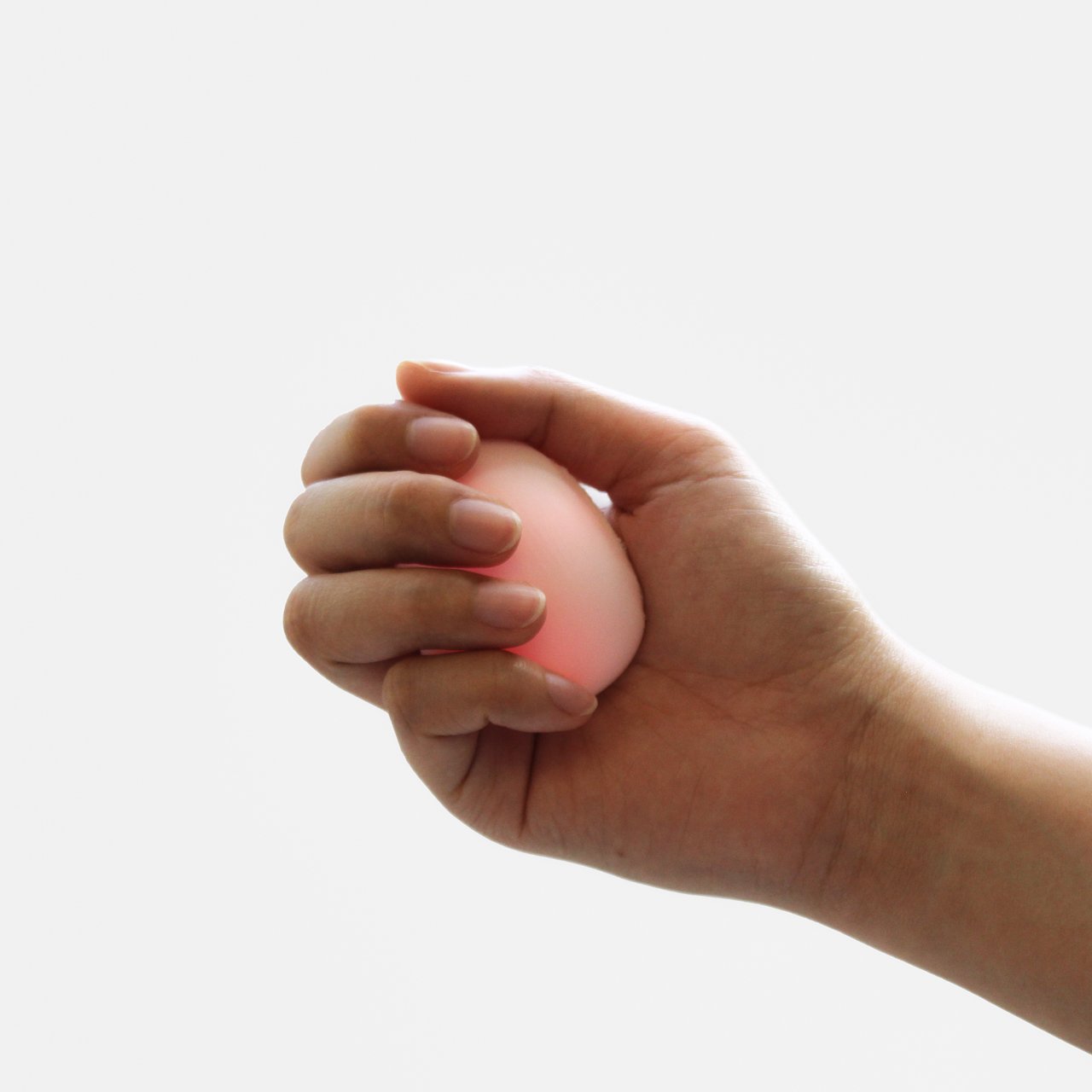
PEBS is an interactive system of small, glowing objects designed to support awareness of time, tasks, and transitions through subtle environmental cues.
Many neurodivergent individuals experience difficulties with time perception, task initiation, and sustained focus. These challenges are often misread as a lack of discipline, when they actually reflect differences in how attention is processed and managed.
Most existing organizational tools, including apps, alarms, and notifications, rely heavily on screens and constant alerts. While effective in some contexts, these can contribute to cognitive overload, distraction, and stress.
PEBS offers a quieter, more intuitive alternative. Rather than interrupting the user, it communicates through soft light, gentle movement, and spatial presence. Distributed across a space, each unit acts as a responsive cue, encouraging the user to begin, pause, or shift attention at their own pace.
Rather than demanding action, PEBS creates an environment that supports it. Its signals are ambient and non-intrusive, allowing users to engage when they feel ready. By turning the surrounding space into a subtle guide, PEBS reframes everyday tasks as smaller, more approachable moments: less like obligations, and more like a series of manageable steps.
Quotes:
“I love things that are not related to me. I'm very curious about everything, and I love to read, ask questions, and I like to understand people and behavior. I'm interested in psychology. I believe design should serve not only individual human and societal needs, but also what our environment needs to support or collective lives into the future.”
“Design is not merely a bridge between humans and their environment, but also between humans, technology and manufacturing, the economy, politics…really everything. The central goal is to help people to achieve better life or living. And there are many external factors that shape progress toward this.”